

Your roof is one of the most important structural components of your home, yet it is also one of the easiest to ignore until something goes wrong. Many homeowners assume that identifying roof damage requires climbing up a ladder or walking directly on the roof, which introduces safety risks and often leads to delayed action. In reality, many signs of roof damage are visible from the ground or inside your home if you know what to look for.
In regions like Maryland that experience seasonal storms, fluctuating temperatures, and prolonged exposure to wind and moisture, roofing systems naturally wear down over time. Minor issues can develop gradually, making them easy to miss until interior damage appears. Learning how to recognize early warning signs allows you to act before small problems turn into expensive repairs or premature roof replacement.
EC Roofing helps homeowners navigate roofing concerns with clarity and experience. The following sections outline reliable ways to identify roof repair needs safely and effectively.
Ground-Level Exterior Signs You Should Never Ignore
One of the safest ways to evaluate your roof’s condition is by observing it from the ground. Walk around your home and view the roofline from several angles. A healthy roof should appear straight, consistent, and uniform in color and texture. Any visible irregularities often signal deeper issues.
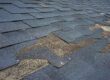
Shingles are typically the first components to show visible wear. Missing or damaged shingles compromise your roof’s protective barrier and allow moisture to reach the underlying layers. Even limited shingle damage can lead to rot, leaks, and insulation problems if not addressed promptly.
From ground level, common exterior warning signs include:
- Missing, cracked, curling, or lifting shingles
- Uneven rooflines, dips, or sagging sections
- Rusted, loose, or bent flashing around chimneys and vents
Sagging areas are particularly concerning because they may indicate trapped moisture or structural deterioration beneath the surface. Flashing damage is another frequent issue, as flashing seals vulnerable transitions where leaks often begin.
Discoloration, dark streaks, or moss growth should also be taken seriously. While sometimes viewed as cosmetic, these conditions usually indicate moisture retention, which accelerates material breakdown and shortens your roof’s lifespan.
Interior Warning Signs That Point to Roof Damage
Interior symptoms often provide the clearest evidence that your roof needs repair. Water stains on ceilings or walls are among the most common indicators. These stains typically appear yellow, brown, or copper in color and suggest that moisture has already penetrated your roofing system. Even if the stain appears dry, it may point to a recurring issue during rain or snowmelt.
Peeling paint, bubbling drywall, or warped ceiling materials are additional signs of prolonged moisture exposure. These issues often appear on upper levels of a home, near exterior walls, or around roof penetrations.
Your attic can reveal important clues without requiring you to step onto your roof. Damp insulation, darkened wood framing, or musty odors often indicate leaks or poor ventilation. Excess moisture in the attic accelerates roofing deterioration and increases the likelihood of mold growth and ice dams during the winter months.
Changes in indoor comfort are another subtle warning sign. Uneven temperatures, drafts near ceilings, or rising energy bills can indicate compromised roofing materials or insulation problems. Interior indicators often appear well before visible roof failure, making them critical early alerts.
Storm-Related Clues After Severe Weather
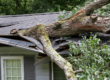
Storms are one of the leading causes of roof damage, and many warning signs appear immediately afterward. After high winds, heavy rain, hail, or snow, walk your property and look for changes. Roofing debris such as shingles, flashing pieces, or excessive granules on the ground often signals storm-related damage.
Wind can loosen shingles without removing them entirely, leaving them vulnerable to future leaks. Hail damage may be difficult to see from the roof surface, but dents in gutters, downspouts, siding, or window trim often indicate similar impacts to shingles.
After severe weather, homeowners frequently notice:
- Shingles or roofing materials in the yard
- Dents in gutters or exterior metal components
- New ceiling stains or dripping sounds indoors
Winter storms introduce additional risks. Large icicles or thick ice buildup along roof edges may indicate ice dams, which form when heat escapes through the attic. This process forces water beneath shingles, leading to leaks, insulation damage, and wood rot if not addressed.
Gutter and Downspout Indicators of Roofing Issues
Gutters and downspouts play a critical role in managing roof runoff and often reveal roofing problems before interior damage occurs. Because they collect water directly from the roof surface, they provide valuable insight into roof performance.
One of the most telling signs is excessive shingle granules in gutters. While minor granule loss is normal, large accumulations suggest advanced shingle wear and reduced protection against UV exposure and moisture.
Overflowing or frequently clogged gutters can also point to roof-related issues. When water backs up, it may seep beneath shingles and damage fascia boards, soffits, and roof edges. Gutters pulling away from your home or sagging under weight may indicate hidden moisture damage behind the roofing system.
Stains or mildew on exterior walls beneath gutters are yet another sign that often mean water is spilling over instead of draining properly. Monitoring gutter behavior from the ground is a simple yet effective way to identify early roofing issues.
Roof Age and Material Lifespan Are Silent Signals
Sometimes the clearest indicator that your roof needs repair is its age. Most asphalt shingle roofs are designed to last between 20 and 30 years, depending on material quality, installation methods, and exposure to local weather conditions. In climates with harsh winters or frequent storms, roofs may deteriorate sooner.
As roofing materials age, they lose flexibility and protective granules. From the ground, this often appears as faded color, uneven shading, or brittle-looking shingles. While these changes may seem cosmetic, they typically signal reduced resistance to wind and moisture.
Older roofs are also more vulnerable to hidden damage. Minor issues escalate faster when materials are already nearing the end of their service life. Understanding your roof’s approximate age allows you to plan repairs proactively and avoid emergency situations. It is also a great way to determine when a roof replacement is your best solution to your roofing issues.
Knowing When to Call the Professionals at EC Roofing
Recognizing roof repair warning signs without climbing up gives you a safer and more proactive way to protect your home. Ground-level exterior observations, interior symptoms, storm-related clues, gutter performance, and roof age all contribute to a clearer picture of your roof’s condition. Quick identification enables you to address these issues early, preventing extensive roof damage and reducing long-term costs.
When professional expertise is needed, EC Roofing provides dependable roofing and exterior services backed by years of local experience and attention to detail. Our team understands how weather conditions in Maryland affect roofing systems and delivers solutions designed for durability and long-term performance.
If you’ve noticed any of the warning signs discussed in this guide, now is the time to act. Contact EC Roofing today to schedule a professional roof inspection and receive clear guidance on your roof’s condition.