

Rising energy costs have made homeowners more aware of how their homes use and lose energy. While heating and cooling systems often receive the most attention, the structure that protects and contains that conditioned air is just as important. Your roof influences comfort, efficiency, and long-term household expenses in ways that are not always immediately visible.
A roof replacement is not simply a maintenance task or a cosmetic upgrade. It is an opportunity to improve how your home performs as a whole. Today’s roofing systems are designed to support better energy management through smarter materials, integrated ventilation planning, and compatibility with modern insulation standards. When these elements work together, they create a more stable indoor environment and help reduce ongoing energy demands.
This guide from EC Roofing explores how roof replacements contribute to improved energy efficiency, what components have the greatest impact on performance, and how making the right roofing decisions can translate into measurable savings, improved comfort, and long-term home value.
How an Aging Roof Contributes to Higher Energy Bills
As roofing materials age, their ability to regulate temperature steadily declines. Prolonged exposure to sunlight, moisture, wind, and seasonal temperature changes causes shingles and underlayment to deteriorate. Once this happens, your roof becomes less effective at blocking heat transfer, allowing warm air to enter your home in summer and escape during winter.
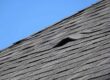
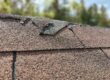
Even small problem areas can create major inefficiencies. Cracked shingles, worn flashing, and compromised sealants allow conditioned air to escape and outside air to infiltrate your home. This forces your HVAC system to work harder to maintain a consistent temperature, increasing energy usage and accelerating equipment wear.
Common signs that an aging roof may be increasing energy costs include:
- Rising utility bills without changes in household usage
- Uneven temperatures between rooms
- Excessive attic heat during the summer months
- Condensation issues or ice dams during winter
Older roofs are also more likely to have outdated or insufficient ventilation. Without proper airflow, heat becomes trapped in the attic, radiating downward into living spaces. Replacing an aging roof allows these inefficiencies to be addressed at the source, delivering long-term energy savings instead of temporary fixes.
Energy-Efficient Roofing Materials and How They Reduce Heat Transfer
The roofing materials chosen during replacement play a direct role in energy efficiency. Modern materials are designed to reflect solar radiation, reduce heat absorption, and stabilize indoor temperatures. Selecting the right roofing material can dramatically lower cooling costs while improving year-round comfort.
Energy-efficient roofing options commonly include:
- Reflective asphalt shingles
- Metal roofing systems
- Tile or slate roofing
- High-performance synthetic underlayment
Roofing color also matters, as lighter colors reflect more sunlight and help limit attic heat buildup.
These materials perform best when installed as part of a complete roofing system. Proper underlayment, flashing, and installation techniques ensure that heat transfer is minimized. Investing in energy-efficient roofing materials during replacement provides long-term savings while protecting your home from temperature extremes.
Why Proper Roof Ventilation Is Essential for Energy Savings
Roof ventilation is one of the most important yet often overlooked components of an energy-efficient roofing system. Proper ventilation allows hot, moist air to escape from the attic while drawing in cooler air from outside. This balanced airflow prevents heat buildup that can significantly increase indoor temperatures and energy consumption.
The benefits of proper roof ventilation include:
- Lower attic temperatures during summer
- Reduced workload on air conditioning systems
- Prevention of moisture and condensation buildup
- Extended lifespan of roofing materials and insulation
A well-designed ventilation system includes intake vents along the roof edge and exhaust vents near the peak. Addressing ventilation during a roof replacement improves comfort, reduces energy costs, and protects the roofing system as a whole.
Insulation Improvements That Strengthen Roof Energy Performance
Insulation works hand-in-hand with your roofing system to control heat flow. Even the most advanced roofing materials cannot deliver optimal energy efficiency without proper insulation beneath them. When insulation is outdated, compressed, or improperly installed, energy loss becomes unavoidable.
Key insulation benefits during roof replacement include:
- Reduced heat loss during the winter months
- Improved resistance to summer heat penetration
- Elimination of drafts and temperature fluctuations
- Enhanced indoor comfort and sound control
Because heat rises, attic insulation is especially important. Upgrading insulation during a roof replacement allows air leaks to be sealed and R-values to be improved. Modern insulation materials offer superior thermal resistance and work seamlessly with contemporary roofing systems.
Long-Term Cost Savings and Financial Benefits of Roof Replacement
Energy-efficient roof replacements provide both immediate and long-term financial advantages. One of the most noticeable benefits is reduced monthly energy bills. By limiting heat transfer and improving ventilation, a new roof lowers the demand placed on heating and cooling systems.
Long-term financial benefits include:
- Lower utility costs throughout the year
- Reduced HVAC maintenance and repair expenses
- Fewer roofing repairs caused by moisture or heat damage
- Increased home resale value
Beyond direct savings, an energy-efficient roof increases market appeal. Buyers increasingly prioritize homes with lower operating costs and durable, modern systems, making roof replacement a strong investment.
Upgrade Your Roof and Energy Efficiency With EC Roofing
Improving energy efficiency is rarely about a single upgrade. It is about how each part of your home works together to reduce waste, maintain comfort, and protect long-term value. Your roof plays a central role in that system, influencing how effectively your home manages temperature, airflow, and energy use throughout the year. When approached thoughtfully, a roof replacement becomes a strategic improvement rather than a reactive repair.
The decisions made during a roof replacement—from material selection to system design—have lasting effects on comfort, operating costs, and durability. And choosing a contractor who understands how roofing integrates with ventilation and insulation is essential to achieving meaningful results. Experience, attention to detail, and knowledge of local conditions all contribute to a roofing system that performs as intended long after installation is complete.
EC Roofing provides professional roof replacement and exterior services designed to help homeowners make informed, long-term improvements. With a focus on quality workmanship and performance-driven solutions, we help ensure your roof supports your home’s efficiency and your peace of mind.
If you’re considering a roof replacement, contact EC Roofing to discuss your options and take the next step toward a home that works smarter, not harder.