

If your energy bills seem to spike every summer, you’re not alone. While it’s easy to blame your air conditioner, your roof may be contributing more to those rising costs than you realize. As your home’s first line of defense against the sun, your roof directly affects how much heat enters your living space and how hard your cooling system has to work.
Learning how your roofing system affects your home’s energy efficiency can help you make informed decisions about maintenance, repairs, and long-term home performance. We believe educated homeowners are better prepared to protect their investment and keep their homes comfortable year-round.
How Your Roof Directly Impacts Summer Energy Costs
Your roof is your home’s first line of defense against the summer sun. Every day, it takes the full impact of the heat before that warmth has a chance to reach the inside of your home. When your roof is in good condition, it helps reduce the amount of heat that makes its way indoors, making it easier to keep your home comfortable.
The opposite is also true. If your roofing system isn’t performing as it should, more heat can enter your home. As indoor temperatures rise, your air conditioner has to run longer to keep up. That extra effort can lead to higher energy bills and additional wear on your cooling system over time.
Your Attic Can Make a Big Difference
The space beneath your roof plays an important role in keeping your home comfortable. When your attic is properly insulated and ventilated, it helps prevent excess heat from building up and spreading into the rooms below.
If that heat isn’t managed effectively, your home can become warmer even when your air conditioner is running. The harder your cooling system has to work, the more energy it uses. That’s why a healthy roofing system doesn’t just protect your home from the weather. It also helps improve your home’s overall energy efficiency.
Common Roofing Problems That Lead to Higher Utility Bills
Even a well-built roof won’t stay in perfect condition forever. Years of sun, storms, and changing temperatures gradually wear down roofing materials, making it easier for heat to affect your home’s comfort. Some problems are obvious, while others develop slowly and often go unnoticed until your energy bills begin to climb.
Worn or Damaged Roofing Materials
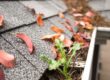
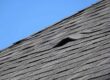
As shingles age, they become less effective at protecting your home. Cracked, curling, or missing shingles leave parts of your roof more exposed to the elements, while worn materials simply don’t perform as well as they once did.
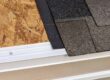
Other parts of your roofing system can also wear out over time. Damaged flashing around vents, chimneys, or skylights can allow moisture to enter, leading to problems that affect your roof’s overall performance.
Ventilation and Insulation Problems
Your attic needs proper airflow to help release excess heat during the summer. If ventilation isn’t working as it should, hot air can become trapped beneath your roof, making it harder to keep your home cool.
Insulation is just as important. When it’s old, damaged, or no longer providing enough coverage, more heat can move into your living space. Together, these issues force your air conditioner to work harder, which can increase your energy bills throughout the summer.
Warning Signs Your Roof May Be Costing You Money
Roofing problems don’t always begin with a leak. In many cases, the earliest warning signs appear as changes in your home’s comfort or increases in your monthly energy bills. Recognizing these symptoms early allows you to address minor problems before they become expensive repairs.
Several signs may suggest your roof is affecting your home’s energy efficiency:
- Upstairs rooms that stay warmer than the rest of your home
- An air conditioner that seems to run almost constantly
- Higher summer energy bills with no change in usage
- Curling, cracked, damaged, or missing shingles
- Excessive attic heat or humidity
On their own, these issues might not seem alarming. However, when they persist or begin occurring together, they often point to a roofing system that’s no longer performing efficiently.
Having your roof inspected when these warning signs first appear can help identify the source of the problem before it leads to more extensive damage. In many cases, addressing small issues early is less expensive than waiting until they develop into larger repairs or require a full roof replacement.
Roofing Improvements That Can Increase Energy Efficiency
The good news is that improving your roof’s energy performance doesn’t always require a complete replacement. Depending on the age and condition of your roofing system, targeted upgrades can significantly reduce heat transfer while helping your home stay cooler throughout the summer.
Depending on your home’s needs, recommended upgrades may include:
- Replacing damaged or aging shingles
- Improving attic ventilation
- Adding or upgrading attic insulation
- Repairing flashing around roof penetrations
- Installing modern roofing materials
- Scheduling regular roof maintenance and inspections
Replacing worn roofing materials restores your roof’s ability to protect your home from prolonged sun exposure. Many modern roofing products are designed with improved durability and energy performance, helping reduce heat absorption compared to older materials.
Ventilation improvements can make an equally noticeable difference. Proper airflow allows hot attic air to escape while drawing in cooler outside air, helping regulate attic temperatures and reducing the amount of heat entering your living space.
Adding or upgrading attic insulation creates another layer of protection against summer heat. Quality insulation slows heat transfer, allowing your air conditioner to maintain a comfortable indoor temperature without working as hard. Because insulation also helps reduce heat loss during colder months, it’s an investment that benefits your home year-round.
Why Professional Roofing Inspections Matter
Most homeowners don’t think about scheduling a roof inspection unless they notice a leak. Unfortunately, waiting until water enters your home often means hidden damage has already affected your roofing system. Even if your roof appears to be in good condition from the ground, underlying issues may be reducing its energy efficiency and shortening its lifespan.
A professional roof inspection provides a thorough evaluation of your entire roofing system. Rather than focusing only on visible damage, an experienced roofing contractor examines shingles, flashing, roof penetrations, ventilation, drainage, and attic conditions to identify problems that may not be obvious to the untrained eye.
Routine inspections are especially valuable after severe storms or periods of prolonged summer heat. High temperatures accelerate normal wear, while strong winds can loosen shingles or damage flashing without causing immediate leaks. Catching these problems early often prevents more extensive repairs later.
Whether your roof is relatively new or has protected your home for decades, regular inspections help ensure it continues performing as efficiently as possible. They also provide peace of mind, knowing your home is better prepared for changing weather conditions and seasonal temperature extremes.
Lower Your Summer Energy Bills With Expert Roofing Solutions
A well-maintained roof does much more than protect your home from the elements. It also helps improve energy efficiency, reduces strain on your HVAC system, and supports a more comfortable indoor environment throughout the hottest months of the year. Taking care of roofing issues before they become major problems can save you money while protecting one of your home’s most valuable investments.
EC Roofing takes pride in helping Maryland homeowners make informed decisions and providing dependable roofing and exterior services tailored to their needs. If you’ve noticed rising energy bills or signs of roof wear, contact EC Roofing to learn how we can help improve your home’s comfort, energy efficiency, and long-term performance.