
In Maryland and Pennsylvania, your roof is one of the most important exterior features protecting your home, yet not all roofs perform well in our local climate. You may notice that some roofs begin to show signs of failure within just 10 years, while others remain strong and reliable for decades.
At EC Roofing, we regularly evaluate roofs that have either exceeded expectations or failed far too early. In most cases, the difference comes down to a handful of key factors that are often overlooked. By understanding these elements, you can take proactive steps to extend the lifespan of your roof and protect your investment.
The Role of Material Quality in Roof Longevity
The materials used in your roofing system form the foundation of its performance. While many roofing products may appear similar at a glance, their durability and lifespan can vary significantly. Choosing lower-grade materials often results in a shorter lifespan, even if the roof initially looks well-installed.
Builder-grade shingles, for example, are commonly used because they are cost-effective. However, they typically have a shorter lifespan and are less resistant to environmental stress. Higher-quality materials, such as CertainTeed architectural shingles, are designed to withstand harsher conditions and maintain their integrity over time.
Your roof is more than just shingles, though. Components like underlayment, flashing, and sealants all contribute to how well your roof performs. If any of these elements are subpar, the entire system can become vulnerable.
Signs Your Roofing Materials May Be Lower Quality
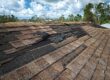
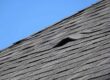
- Shingles that curl or crack prematurely
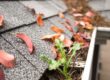
- Excessive granule loss in gutters
- Fading or discoloration from sun exposure
- Reduced resistance to wind and weather
- Frequent need for repairs within a few years
Investing in higher-quality materials from the start can significantly extend the life of your roof. While the upfront cost may be higher, the long-term benefits include fewer repairs, better protection, and greater peace of mind.
Installation Quality Often Determines Long-Term Performance
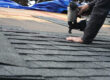
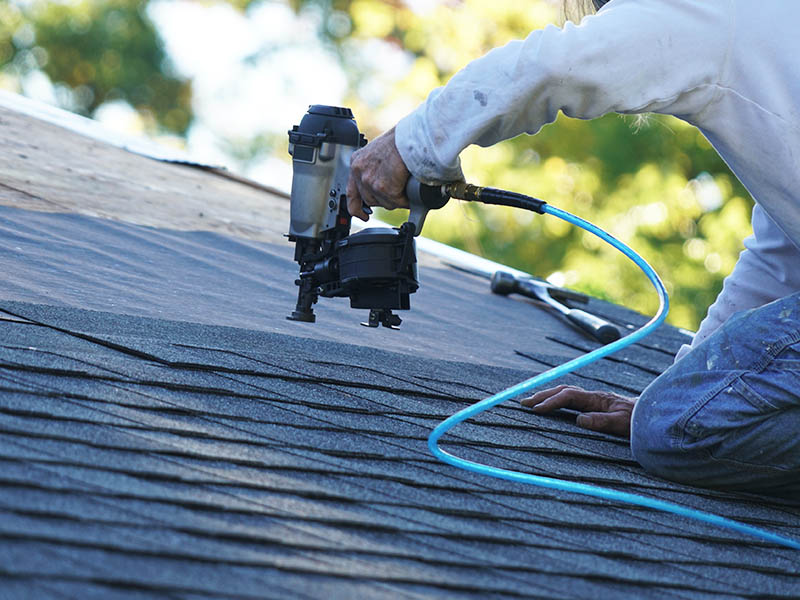
Even the best materials won’t perform as expected if they are installed incorrectly. Installation quality is one of the most important factors influencing how long your roof will last. Small mistakes during installation can create long-term problems that are not immediately visible.
Improper nailing, misaligned shingles, and poorly installed flashing can all lead to vulnerabilities. Over time, these issues can allow water to penetrate the roof system, leading to leaks and structural damage. What may appear to be a minor oversight during installation can significantly reduce your roof’s lifespan.
A properly installed roof requires attention to detail at every stage. From preparing the decking to placing each component correctly, every step matters.
Common Installation Mistakes That Lead to Early Failure
- Incorrect nail placement or spacing
- Improper flashing around chimneys and vents
- Inadequate sealing of vulnerable areas
- Poor alignment of shingles
- Skipping critical protective layers
Choosing experienced professionals for installation ensures that your roof is built to perform as intended. When installation is done correctly, your roofing system is better equipped to handle environmental stress and maintain its integrity for decades.
Ventilation Has a Direct Impact on Roof Lifespan
Ventilation plays a critical role in maintaining the health of your roofing system. Without proper airflow, heat and moisture can become trapped in your attic, leading to conditions that accelerate roof deterioration.
During the summer, trapped heat can cause shingles to age more quickly. They may become brittle, lose flexibility, and eventually fail. In the winter, poor ventilation contributes to ice dam formation, which can force water underneath shingles and cause leaks.
Moisture buildup is another serious concern. When warm air is unable to escape, condensation can form inside your attic. Over time, this can lead to mold growth, wood rot, and weakened structural components.
Warning Signs of Poor Roof Ventilation
- Excessive attic heat during warm months
- Ice dams forming along roof edges
- Moisture or condensation in the attic
- Mold or mildew growth
- Uneven roof aging
Proper ventilation helps regulate temperature and moisture levels year-round. By maintaining balanced airflow, you can protect your roof from internal damage and significantly extend its lifespan.
Environmental Exposure and Weather Conditions
The environment your roof is exposed to has a major impact on how long it will last. In Pennsylvania and Maryland, your roof must endure a wide range of weather conditions, including snow, rain, wind, and intense sunlight.
Temperature fluctuations cause roofing materials to expand and contract repeatedly. Over time, this movement can weaken shingles and create small gaps that allow water to enter. Strong winds can lift or damage shingles, while heavy rain can expose even minor vulnerabilities.
Sun exposure also contributes to wear and tear. Ultraviolet rays gradually break down roofing materials, reducing their effectiveness and lifespan. In addition, debris such as leaves and branches can accumulate on your roof, trapping moisture and accelerating deterioration.
Environmental Factors That Accelerate Roof Wear
- Freeze and thaw cycles
- Heavy rainfall and storm activity
- Prolonged sun exposure
- High winds and debris impact
- Seasonal temperature fluctuations
While you can’t control the weather, you can take steps to minimize its impact. Regular inspections and timely maintenance help ensure your roof remains in good condition despite environmental challenges.
Maintenance Habits Make a Significant Difference
Even a well-built roof requires regular maintenance to perform at its best. Neglecting routine care can allow small issues to develop into major problems, shortening the lifespan of your roofing system.
Simple maintenance tasks can go a long way in preserving your roof. Keeping gutters clean, removing debris, and checking for visible damage are all important steps. When water is allowed to accumulate due to clogged gutters, it increases the risk of leaks and structural damage.
Regular inspections also play a key role in identifying early signs of wear. Addressing these issues promptly prevents them from escalating into more serious problems.
Essential Roof Maintenance Practices
- Clean gutters regularly to prevent water buildup
- Remove debris from the roof surface
- Inspect for missing or damaged shingles
- Check flashing and sealants for wear
- Schedule periodic professional evaluations
Taking a proactive approach to maintenance helps extend the life of your roof and ensures it continues to protect your home effectively.
Get Help Making the Right Roofing Decisions for Your Home
The difference between a roof that lasts 10 years and one that lasts 30 or more comes down to a combination of critical factors. Material quality, installation, ventilation, environmental exposure, and maintenance all play a role.
When you understand these factors, you can make more informed decisions that protect your investment. Our team at EC Roofing focuses on delivering roofing systems that are built to last. We combine high-quality materials with expert installation and thorough evaluations to ensure long-term performance.
If you want to make sure your roof is set up for maximum lifespan or you have concerns about its current condition, schedule a professional roof evaluation today. Taking the right steps now can help you avoid costly problems and ensure your home stays protected for years to come.