
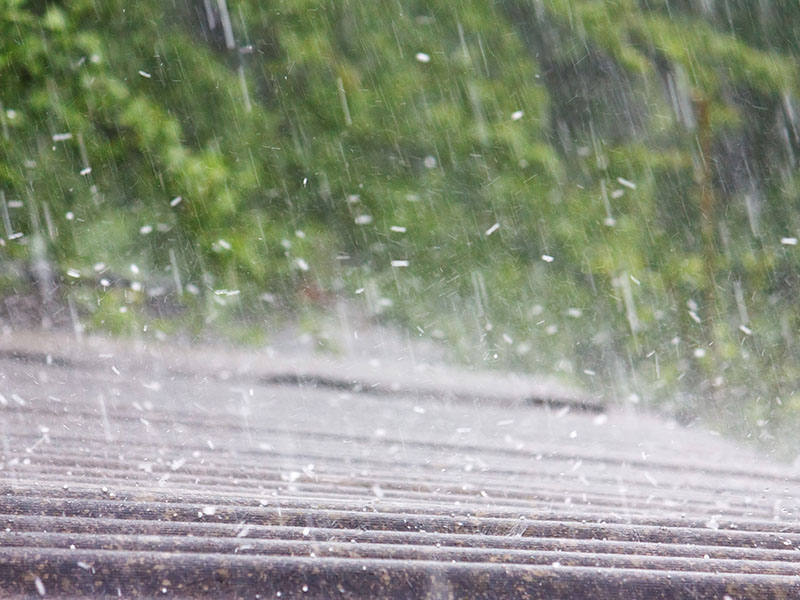
As spring arrives in Maryland, you can expect warmer temperatures—but also an increase in severe weather. Heavy rain, high winds, hail, and rapid temperature shifts are all common during this season. While these conditions may seem routine, they can have a significant impact on your roof, often causing damage that isn’t immediately visible.
Understanding how spring storms affect your roof helps you take a proactive approach to protecting your home. By recognizing the risks and knowing what to look for, you can prevent minor issues from turning into major repairs.
EC Roofing works with homeowners across Maryland to assess storm-related damage and provide reliable roofing solutions tailored to local weather conditions. This guide will walk you through how spring storms impact your roof and what you should watch for as the season progresses.
Heavy Rain and Water Intrusion Risks
Spring storms in Maryland often bring prolonged and heavy rainfall, which can put your roof’s water-shedding capabilities to the test. Even a well-installed roof can develop vulnerabilities over time, especially after enduring winter conditions.
When rainwater is unable to properly drain, it can begin to pool in low areas or work its way beneath shingles. This is especially true if there are small cracks, lifted edges, or worn materials that allow moisture to penetrate the surface. Over time, this can lead to leaks, mold growth, and interior water damage.
Signs of Water-Related Roof Issues
- Water stains on ceilings or walls
- Damp attic insulation
- Musty odors in upper levels
- Peeling paint or bubbling drywall
You should pay close attention to these interior warning signs, as they often indicate a problem with your roof’s ability to keep water out. Addressing these issues early helps prevent more extensive structural damage and costly repairs.
Consistent rainfall also stresses flashing and sealants around roof penetrations. If these areas weaken, they can become entry points for water during even moderate storms.
Wind Damage and Shingle Displacement
High winds are one of the most common causes of roof damage during spring storms. Strong gusts can lift, loosen, or completely remove shingles, exposing the underlying structure to the elements.
When shingles are displaced, your roof becomes significantly more vulnerable to water intrusion. Even a small section of missing or lifted shingles can allow rain to reach the underlayment and decking.
Common Signs of Wind Damage
- Missing shingles
- Curling or lifted edges
- Debris scattered around your property
- Uneven or patchy roof appearance
You can often spot these issues from the ground by observing inconsistencies in your roof’s surface. Wind damage may not always be obvious at first, but it tends to worsen quickly with additional storms.
If left unaddressed, repeated exposure to wind and rain can accelerate wear and shorten the overall lifespan of your roof. Identifying these issues early allows for more manageable repairs and helps maintain your roof’s integrity.
Hail Impact and Hidden Damage
Hailstorms are less predictable but can be particularly damaging to roofing systems. Even small hailstones can create impact points that weaken shingles, while larger hail can cause immediate and visible damage.
The challenge with hail damage is that it is not always easy to detect from the ground. Impact marks may not be obvious but can still compromise the protective granule layer on shingles.
Indicators of Possible Hail Damage
- Dents on gutters or downspouts
- Granules collecting in gutters
- Soft spots or bruising on shingles
When granules are knocked loose, shingles lose their ability to protect against UV exposure and weather conditions. This can accelerate deterioration and increase the likelihood of leaks.
Because hail damage can be subtle, it is important to have a professional roof inspection after a significant storm. Early detection helps prevent long-term issues that may not surface until much later.
Gutter Overflow and Drainage Problems
Spring storms can quickly overwhelm your gutter system, especially if it is already clogged with debris from winter. When gutters cannot handle the volume of water, overflow becomes a serious concern.
Overflowing gutters can cause water to back up under your shingles or spill down the sides of your home, affecting siding and the foundation. Proper drainage is essential for protecting your entire exterior system.
Signs of Drainage Issues
- Water spilling over gutter edges
- Sagging or detached gutters
- Water pooling near your foundation
- Visible debris buildup
You should regularly check your gutters from the ground and ensure downspouts are directing water away from your home. Keeping this system clear reduces strain on your roof and prevents unnecessary damage during heavy storms.
Flashing Failures During Storm Conditions
Flashing is designed to seal vulnerable areas of your roof, such as around chimneys, vents, and skylights. During spring storms, these areas are often exposed to intense wind and water pressure.
Over time, flashing can loosen or degrade, especially after repeated freeze-thaw cycles in winter. When storms hit, these weakened areas can allow water to enter your home.
Areas Most Vulnerable to Flashing Issues
- Chimney connections
- Roof vents
- Skylights
- Roof valleys
You can sometimes spot signs of flashing problems from inside your home, such as leaks near these areas. However, a full assessment should always be handled by a professional to ensure safety and accuracy.
Maintaining proper flashing is essential for keeping your roof watertight, particularly during periods of heavy rainfall and strong winds.
Long-Term Wear from Repeated Storm Exposure
Spring storms are not just isolated events—they often occur repeatedly over several weeks or months. This continuous exposure can gradually weaken your roofing system, even if no single storm causes obvious damage.
Materials expand and contract with temperature changes, while repeated moisture exposure can break down protective layers. Over time, this leads to reduced performance and a higher likelihood of failure.
Cumulative Effects of Storm Damage
- Gradual shingle deterioration
- Increased risk of leaks
- Reduced energy efficiency
- Shortened roof lifespan
You may not notice these effects immediately, but they can significantly impact your roof’s long-term durability. Regular inspections and maintenance help catch these issues early and extend the life of your roofing system.
Being proactive after multiple storms is just as important as responding to a single severe event.
Stay Ahead of Spring Storm Damage
Spring storms in Maryland can take a serious toll on your roof, from heavy rain and wind damage to hail impacts and drainage issues. By understanding how these conditions affect your roof, you can take the right steps to protect your home and avoid costly repairs.
While you can identify many warning signs from the ground or inside your home, a professional inspection provides the most accurate assessment. We bring the experience and local expertise needed to evaluate storm damage and recommend the right solutions for your property.
If your home has recently experienced severe weather or you want peace of mind moving into the season, now is the time to act. Contact EC Roofing today to schedule a professional inspection and ensure your roof is ready to handle whatever spring brings.