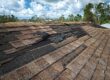

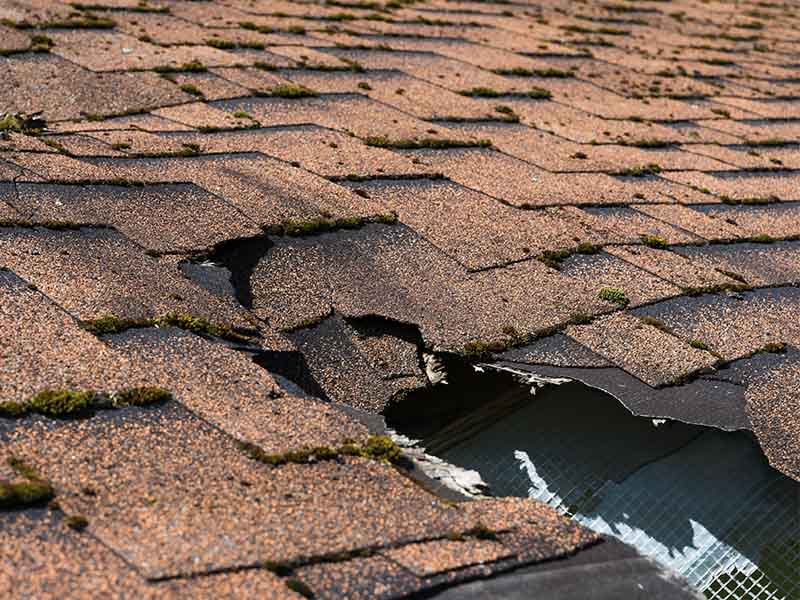
When a powerful storm strikes in Maryland, it’s not uncommon for your roof to sustain damage. High winds, heavy rain, hail, and fallen debris can leave behind destruction that puts your home and family at risk. Acting quickly after storm damage is crucial for minimizing repair costs and preventing long-term issues such as leaks or structural deterioration.
Our team at EC Roofing has helped countless homeowners throughout Maryland restore their roofs following severe weather. We have also witnessed the stress it causes when a homeowner doesn’t know where to start. That’s why we’ve put together this step-by-step guide, walking you through exactly what to do immediately after roof storm damage. This guide will enable you to respond confidently and move toward complete restoration without delay.
1. Ensure Your Safety Before Inspecting Any Damage
Your safety should always take priority over property inspection. Storms can create dangerous conditions, from broken glass to unstable roof sections and more. With this in mind, avoid climbing onto your roof right after a storm—it could be slick, unstable, or structurally unsafe.
Instead, begin by surveying your property from the ground. Look for visible signs of damage, such as missing shingles, dented gutters, or fallen tree limbs. Pay attention to areas that appear warped or punctured. These clues can help you assess the situation without putting yourself at risk.
Inside your home, check for water stains, leaks, or bulging patches on ceilings and walls. If you see water pooling near electrical fixtures, immediately switch off the power to those areas to prevent electrical hazards. Once you’ve confirmed that it’s safe, you’ll want to prepare for your next steps by documenting your findings.
2. Document the Damage Thoroughly for Insurance Purposes
Thorough documentation is one of the most important steps you can take after storm damage. Clear, accurate evidence supports your insurance claim and helps ensure you receive fair coverage for repairs or replacement.
Use your smartphone or camera to take detailed photos and videos of the damage from multiple angles. Capture wide shots that show the full extent of your roof, and then take close-ups of any specific problem areas that you can see from the ground, like torn shingles, broken flashing, or holes from debris. Also include pictures of any exterior damage to siding, gutters, or fences to indicate the severity of the storm.
Inside your home, document any leaks, stained ceilings, or water-damaged furniture and flooring. Make written notes about the time and nature of the storm, when you first noticed the damage, and any immediate changes you observed afterward.
Having timestamped documentation helps insurance adjusters understand the full scope of the damage and ensures nothing gets overlooked. The more detailed your records are, the smoother your insurance claim will be.
3. Make Temporary Repairs to Prevent Further Damage
After documenting everything, your next step should be to limit additional damage while waiting for professional help. Even small leaks can lead to significant water infiltration if left unaddressed, so acting quickly to get compromised areas patched is crucial.
If you can do so safely, place a waterproof tarp or thick plastic sheeting over damaged areas of your roof. Ensure it is secured in place and that the tarp extends beyond the damaged section to keep out rain and debris. Avoid climbing onto the roof if it’s too steep, wet, or unstable. If you can’t cover a damaged section safely, wait for professional roofers to assist.
Inside your home, move valuables, electronics, and furniture away from any leaks. Set up buckets to catch dripping water, and use fans or dehumidifiers to minimize moisture and prevent mold growth.
Temporary measures won’t solve the underlying issue, but they can protect your home until a professional inspection and repair are completed. Quick action in these early hours can save you from much greater repair costs later.
4. Contact Your Insurance Company Promptly
Once the situation is stable, you should contact your homeowner’s insurance provider as soon as possible. Most policies require timely reporting of storm-related damage to remain eligible for coverage.
When you reach your insurance representative, explain what happened and share the documentation you collected. Ask about the claim process, the documents required, and whether you’ll need to schedule an adjuster’s visit. Many insurers will send an adjuster to inspect your home and confirm the extent of the damage.
Keep a record of every conversation you have with your insurance company, including names, dates, and summaries of discussions. Store all claim-related paperwork and emails in one place for easy reference.
If your insurer requires professional input, we can assist by providing a detailed inspection report and repair estimate. Our experience working with insurance claims helps ensure that all valid damage is properly assessed and fairly valued.
5. Schedule a Professional Roof Inspection
Even if your roof looks fine from the ground, there could still be hidden damage. That’s why it’s crucial to schedule a professional roof inspection after any major storm.
When you schedule with EC Roofing, a roofer will be sent out to assess every layer of your roof—shingles, flashing, underlayment, and structural components. They’ll also inspect your gutters, vents, and attic for signs of water intrusion, mold, or compromised insulation. These areas often reveal damage that homeowners can’t detect on their own.
The results of this inspection will give you a clear picture of your roof’s condition and also serve as valuable documentation for your insurance claim, strengthening your case for proper coverage.
6. Decide What Roof Repairs Will Be Completed
After your roof is inspected, you’ll need to start making decisions about repairs, but you don’t have to do it on your own. We always provide recommendations based on our findings and thoroughly explain your available options. The right choice depends on the severity of the storm damage, your roof’s age, and the material used.
If the damage is limited to a small area—such as a few missing shingles or minor flashing damage—repairs may be sufficient. However, if large portions of your roof are compromised or if there’s significant structural or water damage, a full replacement may be more practical and cost-effective.
We’ll walk you through the pros and cons of each option, taking into account your home’s design, budget, and long-term needs. Our goal is to help you make a decision that provides you with durability, safety, and peace of mind for years to come.
7. Prevent Future Storm Damage with Regular Maintenance
Once your roof has been repaired or replaced, regular maintenance becomes your best defense against future storm damage. Taking proactive steps now can help your roof hold up better during the next weather event and extend its lifespan.
Prioritize scheduling annual roof inspections—especially before and after storm season. These routine checkups help identify small issues such as loose shingles, cracked flashing, or clogged gutters before they develop into larger problems.
You can also protect your home by trimming nearby tree branches that could fall on your roof during high winds, cleaning debris from gutters and downspouts to maintain proper drainage, and ensuring your attic has adequate ventilation to prevent moisture buildup.
You should also consider upgrading to impact-resistant roofing materials if feasible. These options offer enhanced protection against hail and wind damage and can sometimes lower insurance premiums.
By keeping your roof well-maintained and storm-ready, you’ll have greater confidence that your home will withstand whatever Mother Nature brings next.
Restore Your Roof with the Experts at EC Roofing
Dealing with storm damage can feel overwhelming, but knowing the right steps to take immediately afterward can make recovery faster and easier. Our team at EC Roofing is ready to help you through every stage of the process.
We specialize in storm damage assessment, roof repair, and full roof replacement, using top-quality materials and proven craftsmanship to restore your home’s safety and appearance. Homeowners throughout Maryland trust us because we deliver reliable, efficient service and lasting results.
So don’t wait to address storm-related roof damage. Schedule a professional inspection with EC Roofing today. We’re here to ensure your roof is prepared for every storm that comes your way.