

If you’re unsure whether your roof needs minor repairs or a full replacement, you’re not alone. Many homeowners struggle to identify the tipping point. That’s where professional insight makes a difference. At EC Roofing, we help homeowners like you evaluate roofing conditions with clarity, offering expert guidance based on real-world experience in roofing and exterior services.
In this guide, you’ll learn how to spot the most important warning signs, understand when repairs stop being effective, and make informed decisions that protect your home and your investment.
The Age of Your Roof Matters More Than You Think
You may not notice gradual wear and tear, but your roof’s age plays a major role in its performance. Most roofing materials are designed with a specific lifespan in mind. For example, asphalt shingles typically last between 20 and 30 years, while other materials may last longer under ideal conditions.
As your roof ages, its ability to withstand environmental stress weakens. Adhesives begin to fail, materials become brittle, and protective layers lose effectiveness. Even if everything looks fine from the ground, underlying issues may already be developing.
If your roof is approaching the end of its lifespan, planning ahead becomes essential. Waiting until major damage occurs often leads to emergency repairs, which are typically more expensive and disruptive.
You should also factor in your repair history. If you’ve already invested in multiple repairs over the years, those fixes may only provide temporary relief. At a certain point, continuing to patch an aging system becomes less practical than replacing it entirely.
Being proactive gives you control over timing, budgeting, and contractor selection—rather than reacting to sudden failure.
Visible Shingle Damage and Surface Wear
Your shingles provide the first layer of protection for your roof, so their condition is a strong indicator of overall performance. When shingles begin to deteriorate, your roof becomes increasingly vulnerable to the elements.
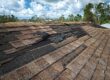
You might notice physical changes such as curling edges, cracks, or missing pieces. These issues often develop gradually due to exposure to heat, moisture, and temperature fluctuations. Once shingles lose their integrity, water can penetrate the layers beneath.
Common Signs of Shingle Failure
- Curling or buckling shingles
- Cracked or brittle surfaces
- Missing shingles after storms
- Granules collecting in gutters or downspouts
Granule loss is especially important. These granules protect shingles from UV rays, and without them, deterioration accelerates quickly.
While isolated damage can sometimes be repaired, widespread wear across your roof typically signals a deeper issue. When multiple areas show signs of failure, it’s often more cost-effective to replace the entire system rather than continue patching problem spots.
Routine inspections can help you stay ahead of these issues, but consistent or widespread damage should not be ignored.
Persistent Leaks and Interior Water Damage
Recurring leaks are one of the clearest signs that your roof may need replacement. While a single leak can often be fixed, repeated issues usually indicate that the roofing system as a whole is failing.
Water intrusion can show up in several ways, and not all of them are obvious at first. In many cases, the damage appears far from the actual source of the leak, making it difficult to resolve with surface-level repairs.
Interior Warning Signs to Watch For
- Water stains on ceilings or walls
- Peeling paint or bubbling drywall
- Damp or compressed attic insulation
- Mold or mildew growth
Over time, trapped moisture can weaken wooden structures, damage insulation, and compromise indoor air quality. What starts as a small issue can quickly escalate into a major repair project affecting multiple areas of your home.
If you’ve already addressed leaks multiple times and they continue to return, it’s likely that the underlying materials have deteriorated beyond repair. A full roof replacement allows you to eliminate the root cause and restore long-term protection.
Sagging Rooflines and Structural Concerns
A sagging roof is a serious issue that goes beyond surface-level damage. It indicates that the structural components supporting your roof may be compromised, which requires immediate attention.
You may notice dips or uneven lines along your roofline from the outside. Inside your attic, warning signs can include bowed rafters, cracked beams, or sections that appear to sink inward.
These issues often result from prolonged water exposure, weakened decking, or excess weight from snow and debris. Over time, these stressors can cause the structure to lose its strength and stability.
Ignoring structural problems can lead to severe consequences, including potential collapse in extreme situations. This is not a scenario where temporary repairs will provide a reliable solution.
In most cases, addressing structural damage requires removing the existing roofing system and rebuilding compromised areas. A full roof replacement ensures that your home is restored to a safe and stable condition.
Increasing Energy Bills and Poor Insulation
If your energy bills are rising without a clear explanation, your roof could be contributing to the problem. A failing roof often leads to poor insulation and ventilation, which directly affects your home’s energy efficiency.
When roofing materials deteriorate, they can allow air to escape and outside temperatures to seep in. This forces your heating and cooling systems to work harder to maintain a comfortable indoor environment.
You might notice uneven temperatures throughout your home, with some rooms feeling significantly warmer or colder than others. These inconsistencies are often tied to roofing issues rather than HVAC performance.
Moisture can also reduce insulation effectiveness. Wet insulation loses its ability to regulate temperature, leading to even greater energy loss.
Replacing your roof with modern materials can significantly improve efficiency. New systems are designed to enhance ventilation and reflect heat, helping you maintain consistent indoor comfort while reducing utility costs.
Storm Damage and Weather-Related Wear
Your roof is constantly exposed to the elements, and severe weather can accelerate its deterioration. Even if damage isn’t immediately visible, storms can weaken your roof over time.
High winds can lift or remove shingles, hail can cause dents and fractures, and heavy rain can expose vulnerable areas. These issues may seem minor initially but can quickly develop into more serious problems.
After a storm, you should always schedule a professional evaluation. Catching damage early can prevent costly repairs down the line.
Repeated exposure to harsh weather conditions can also lead to cumulative wear. Over time, this ongoing stress reduces your roof’s ability to perform effectively.
If your roof has sustained significant storm damage or shows signs of long-term weather-related wear, replacement may be the most reliable solution. Addressing all compromised areas at once ensures your home is fully protected moving forward.
When Repairs Are No Longer Cost-Effective
While repairs can be helpful in the short term, they don’t always provide a lasting solution. There comes a point when continuing to fix your roof becomes more expensive than replacing it.
If you find yourself dealing with frequent repairs, the costs can quickly add up. Instead of solving the problem, you may be temporarily delaying a larger issue.
When to Choose Replacement Over Repairs
- Repair costs exceed 30–40% of replacement cost
- Issues continue to reappear after fixes
- The roof is near or past its lifespan
- Multiple areas of damage are present
You should also think about long-term value. A new roof not only eliminates ongoing repair costs but also improves your home’s resale appeal. Buyers are more likely to invest in a property with a recently replaced roof.
Making the switch at the right time allows you to avoid unnecessary expenses and ensures your home remains protected for years to come.
Schedule Your Roof Inspection Today and Protect Your Home for the Long Term
Recognizing the signs of roof failure allows you to act before minor issues turn into costly repairs. Whether you’re dealing with aging materials, visible damage, recurring leaks, or rising energy costs, these warning signs shouldn’t be ignored.
A full roof replacement is a long-term investment in your home’s safety, efficiency, and value. Taking action early helps you avoid unexpected problems and gives you peace of mind.
At EC Roofing, we work closely with homeowners to provide honest assessments and high-quality roofing solutions. We focus on durability, craftsmanship, and results that last.
If you’re seeing any of these warning signs, now is the time to take the next step. Contact us today to schedule your professional inspection and ensure your home stays protected, efficient, and secure for years to come.