
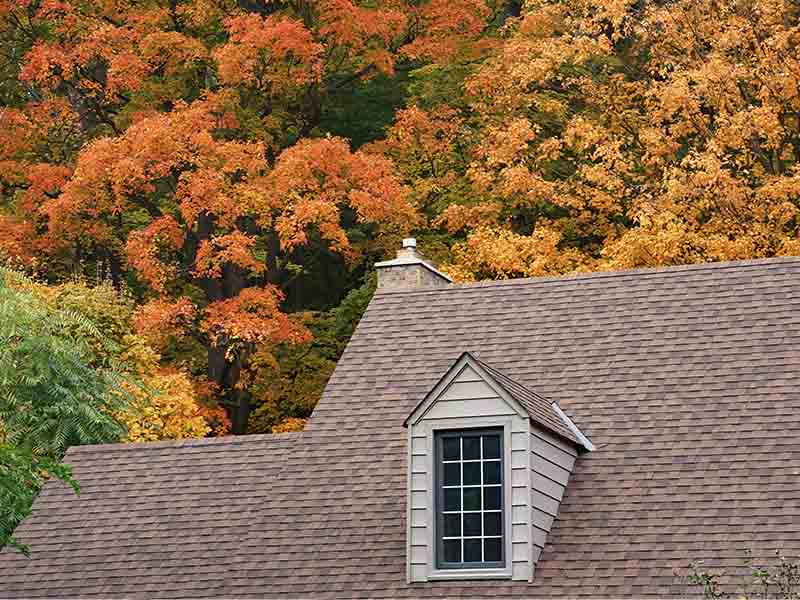
If your roof is nearing the end of its useful life, choosing the right time to replace it can make the project easier to plan and help you prepare your home for the weather ahead. Although roof replacement can be completed during different seasons, fall often provides favorable conditions for homeowners.
Moderate temperatures and the chance to address existing roof problems before winter make autumn an especially practical time to schedule the work. By replacing an aging or damaged roof now, you can head into colder weather with greater confidence in one of your home’s most important protective systems.
Fall Weather Can Create Favorable Roofing Conditions
Weather plays an important role in roof replacement. Excessive summer heat, freezing temperatures, strong winds, and heavy precipitation can all affect installation conditions.
Fall often provides more moderate conditions for roofing work. Temperatures are typically cooler than they are during peak summer but not yet as cold as winter, creating more manageable conditions for both roofing materials and installation crews.
Those moderate temperatures can also benefit asphalt shingle installation. Extremely cold weather can make some roofing materials harder to handle, while intense heat can create its own challenges on the roof.
Even so, the season alone doesn’t guarantee ideal conditions. Your roofing contractor should still account for temperature, precipitation, wind, and manufacturer installation requirements before and during the project.
Fall Gives You a Chance to Fix Roof Problems Before Winter
An aging roof may continue to function during mild weather while already having vulnerable areas that need attention. Once colder, wetter conditions arrive, those weaknesses can become more noticeable.
Loose shingles, damaged flashing, deteriorated materials, and existing leaks can all leave your home more exposed to moisture. If water is already finding its way beneath the roofing system, additional winter precipitation can make the problem worse.
Addressing a known roofing problem in the fall gives you the opportunity to correct it on your schedule rather than waiting for a more urgent failure.
If your roof already has problems, winter conditions can create additional concerns, including:
- Moisture entering through damaged areas
- Existing gaps becoming more problematic
- Additional stress on weakened roofing materials
- Interior damage from ongoing leaks
A professional roof evaluation can help you understand whether a targeted repair may be sufficient or whether the condition of the overall roofing system warrants considering replacement.
Fall Is Also a Good Time to Evaluate Summer Storm Damage
By the time fall arrives, your roof has already been through months of summer weather. Thunderstorms, strong winds, heavy rain, hail, and falling debris may have affected roofing materials even if you haven’t noticed an obvious problem from the ground.
Not all roof storm damage results in a substantial roof leak or missing shingles. Some issues can be subtle, particularly around shingles, flashing, roof edges, and penetrations. That makes fall a useful time to take note of the condition of your roof.
Signs that may justify a professional roof inspection include:
- Missing or lifted shingles
- New ceiling or attic stains
- Damaged flashing
- Visible impact damage
- Unexplained roofing debris around your property
If your roof was already showing significant age or wear before a storm, evaluating the entire system can help you avoid repeatedly repairing individual areas without addressing the larger issue.
Planning Your Roof Replacement Can Reduce the Risk of an Emergency
One of the biggest advantages of replacing your roof before it fails is having time to make informed decisions.
When you’re dealing with an active leak or an urgent roofing problem, your priority is understandably stopping the damage. That can leave you with less time to compare materials, understand the scope of work, review warranty information, or prepare for installation.
A planned fall roof replacement gives you more control over the process. You can discuss your options with your contractor and understand what the project involves before work begins.
Planning ahead also gives you time to work through important project details, including:
- Roofing material selection
- Shingle color and style
- Project scope
- Warranty information
- Installation scheduling
Taking care of these decisions in advance can help the roof replacement process feel much more organized from start to finish.
Your Roofing Project Can Reveal Hidden Problems
The surface of your roof only tells part of the story. Some conditions can’t be fully evaluated until existing roofing materials are removed.
During a roof replacement, your contractor may discover additional issues with the roof deck or other roofing system components. If deteriorated or damaged materials are discovered, they can be addressed as part of the project rather than being left and causing future costly issues.
If you don’t know the age or history of your existing roof, the replacement process can also provide valuable insight into its condition.
A Roof Replacement Is a Good Time to Look at Your Home’s Exterior
Alongside your roof, gutters, siding, fascia, soffits, windows, and flashing all contribute to protecting your home from weather and moisture.
That doesn’t mean every exterior component needs to be replaced when you install a new roof. However, a roofing project can be a useful opportunity to identify nearby areas that may also need maintenance.
For example, gutters that aren’t draining properly can interfere with how water moves away from the roofline. Damaged siding or deteriorated trim can create separate moisture concerns that shouldn’t be overlooked simply because you’re focusing on the roof.
EC Roofing provides both roofing and exterior home services, so our team can help you understand how different parts of your exterior are performing and where attention may be needed.
Completing Your Roof in Fall Can Simplify Spring Maintenance
Spring often brings its own list of exterior projects. Landscaping, cleaning, painting, deck maintenance, and other seasonal tasks can quickly compete for your attention.
Completing a necessary roof replacement in the fall means one major home improvement project is already behind you when warmer weather returns. You’ll also enter the spring rainy season without wondering how much longer an aging roof will hold up.
That can make long-term home maintenance easier to manage because you’re addressing a major need before it becomes one more item competing for time in the spring.
Know When Your Roof Needs Professional Attention
You don’t need to wait until water is dripping from the ceiling to have your roof evaluated. In many cases, signs of deterioration appear before a major leak develops.
The key is paying attention to changes in your roof and recognizing when recurring problems may point to something more significant than a single damaged shingle.
You should consider having your roof professionally evaluated if you notice:
- Missing, cracked, or curling shingles
- Recurring roof leaks
- Damaged flashing
- Interior moisture stains
- Visible sagging or uneven areas
- Widespread signs of roof deterioration
These conditions don’t automatically mean you need a roof replacement. The extent of the damage, your roof’s age, and the condition of the overall system all matter when deciding between roof repair and replacement.
For safety, you shouldn’t climb onto the roof to investigate the damage yourself. A professional roofer can inspect your roofing system and help you understand what you’re dealing with.
Choose Your Roofing Contractor Carefully
Seasonal timing matters, but the quality of your roof replacement depends heavily on the contractor you hire. Experience, workmanship, communication, and attention to detail all play a role in how well your new roofing system performs.
Transparency is one of the clearest signs of a reputable roofing contractor. You should feel comfortable asking questions, and you should receive straightforward answers about the scope of work, materials, warranties, and what to expect during installation.
Useful questions to ask include:
- Will the existing roofing be removed?
- How will damaged decking be handled?
- What materials will be installed?
- What warranties are included?
- How will your property be protected?
- How will cleanup be handled?
If a contractor avoids your questions, provides vague answers, or makes you feel rushed into a decision, that may be a sign to keep looking.
EC Roofing has served homeowners since 1992, providing roof replacement, roof repair, siding, windows, and other exterior services throughout Maryland and South Central Pennsylvania. As a family-owned company, we believe you should understand what’s happening with your home before any work begins.
Our team will explain the condition of your roof, walk you through your options, and answer your questions so you can make an informed decision about the right solution for your home.
Schedule Your Fall Roof Replacement With EC Roofing
Fall gives you an opportunity to address an aging or damaged roof before winter exposes existing weaknesses. With moderate seasonal conditions, time to evaluate summer storm damage, and the ability to plan instead of react to an emergency, autumn can be an excellent time to move forward with roof replacement.
If you’re seeing worn shingles, recurring leaks, storm damage, or other signs that your roof needs attention, we’re here to help. Contact EC Roofing to schedule a professional roof evaluation and talk with our team about the right next step for your home.