

Choosing the right roof for your home is a decision that impacts more than just its appearance—it affects energy efficiency, durability, maintenance, and even resale value. Many homeowners find themselves weighing two popular options: shingle roofs and flat roofs. Both offer distinct advantages, but understanding which is best for your property depends on several key factors, including climate, budget, aesthetics, and long-term goals. If you’re considering a new roof or replacing an existing one, this guide will break down the differences between shingle and flat roofs, helping you determine which is right for your home.
What Sets Shingle and Flat Roofs Apart
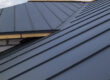
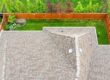
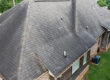
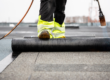
The most obvious difference between shingle roofs and flat roofs lies in their structure. Shingle roofs are pitched, or sloped, and use layered shingles to provide weather protection. Flat roofs, as the name suggests, are nearly level. They use a variety of waterproof materials like modified bitumen, EPDM rubber, or TPO to create a sealed surface.
Shingle roofs are most commonly seen in residential homes, especially in suburban neighborhoods. They offer a traditional look and are widely available. Flat roofs, on the other hand, are often found on modern homes, urban buildings, or additions like sunrooms and garages. Their streamlined, minimalist appearance makes them a favorite among contemporary home designs.
These structural differences are a key consideration when deciding between the two. Most residential homes are built with pitched roofs. And while a pitched roof can be converted to a flat roof, it is a costly and complex process. So if you are looking to replace an existing roof and are on a budget, a flat roof is likely not a good option for you.
However, if you are building a new home, these structural differences should be considered based on how you want to use your roof and your design preferences. Flat roofs can operate as additional outdoor living space, a design concept that has become increasingly popular in modern homes. A shingle roof cannot be used in this manner due to its pitch, but you may prefer it for its traditional aesthetics.
Durability and Lifespan
While functionality and appearance will likely be your first thoughts, lifespan and durability should also be considered. Asphalt shingle roofs typically last between 20 and 30 years, depending on the quality of the shingles, installation, and maintenance. Higher-end shingles can extend that lifespan. Shingle roofs also tend to handle runoff better because of their slope, which directs rain and snow away from your home.
Flat roofs, while structurally different, can also be quite durable when installed and maintained properly. Modern flat roofing materials like TPO and EPDM are designed to resist UV damage, weathering, and punctures. A flat roof’s lifespan typically ranges from 15 to 25 years. Some high-quality installations can last even longer with consistent maintenance.
It’s worth noting that flat roofs are more vulnerable to water pooling if not properly sloped or maintained. This makes professional installation and routine inspections critical for maximizing longevity. Keep the importance of quality materials and installation practices in mind when selecting a roofing contractor.
Weather Performance
A roof’s durability is truly put to the test when it has to endure local weather. This is why assessing a roofing material’s weather performance is critical to ensuring your new roof will last. In areas with heavy rainfall or snow, shingle roofs tend to perform better because of their steep slope. They also handle snow accumulation more efficiently, minimizing the risk of ice dams or structural pressure.
Flat roofs, while effective in many climates, require a more strategic approach to drainage. Proper installation involves slight grading to direct water toward drainage points. Without proper grading, standing water can accumulate, leading to leaks or material degradation over time. However, with the right design and waterproofing systems, flat roofs can handle moderate weather conditions quite well.
For homes in milder climates, flat roofs may offer unique advantages, including the option to install rooftop features like decks. But in colder, snow-prone areas, you may find that shingle roofs provide more peace of mind through the winter months.
Installation and Maintenance
When it comes to installation, both roof types come with their own timelines and labor requirements. Shingle roofs are relatively straightforward to install and can often be completed within a few days. Their modular nature also makes it easier to replace individual shingles in the event of damage.
Flat roofs, while not overly complex, require specialized materials and installation techniques to ensure a fully waterproof seal. Installation can take longer if multiple layers are needed or if additional insulation or slope adjustments are required.
Maintenance needs vary as well. Shingle roofs should be inspected regularly for missing or curled shingles, granule loss, and signs of wear. Flat roofs require close monitoring for punctures, pooling water, or seam separation. That said, the simplicity of a flat roof’s surface can make some aspects of maintenance and inspection more accessible, particularly on single-story homes.
Aesthetic Appeal and Home Design Compatibility
Appearance remains one of the biggest factors for homeowners. The classic, textured look of shingle roofs remains appealing since it suits a wide range of homes. The availability of various colors, patterns, and grades enables you to match your roof to your exterior and neighborhood aesthetics.
Flat roofs lend themselves well to modern, minimalist, or industrial-style homes. Their sleek profile can make your home look clean and contemporary. And if you choose to utilize it as an extended outdoor living space, you can generate more aesthetic interest with a rooftop patio or small garden. Choosing between the two often comes down to your home’s architecture and your personal taste.
Energy Efficiency and Insulation
Energy efficiency is another key consideration. Shingle roofs, particularly those with lighter-colored or reflective shingles, can help deflect sunlight and reduce heat absorption. Additionally, because of the attic space beneath a pitched roof, there is often more room for insulation. This helps regulate indoor temperatures year-round.
Flat roofs can also be highly energy-efficient, but correct design is imperative. Many flat roofing systems incorporate reflective membranes that reduce heat absorption. Additional insulation can also be installed beneath the roof deck. It is also easier to install solar panels on flat roofs due to their accessible, level surface.
Ultimately, energy performance will depend on the materials used, the quality of the installation, and proper maintenance. So choosing a roofing company like EC Roofing, which uses energy-efficient roofing solutions for both shingle and flat systems, will save you money on utility costs and reduce your roof’s environmental footprint.
Cost Differences and Long-Term Value
Understandably, your roof choice will be greatly influenced by cost. Asphalt shingle roofs tend to be the more affordable option upfront. Materials are widely available, and installation is less labor-intensive, minimizing expenses. The ability for individual components, like a single damaged shingle or piece of flashing, to be easily repaired also minimizes long-term maintenance and repair costs.
Flat roofs carry a higher installation cost due to the need for specialized materials and a more complex installation process, but they do have some long-term cost savings advantages. For example, solar panels and green roofing systems can more easily be installed on flat roofs. This makes green upgrades more accessible, thereby reducing energy bills over time. Additionally, their easier access for maintenance and unique ability to be used as a living space adds to their long-term value.
While cost is an important consideration, keep in mind that it’s just one piece of the puzzle. Don’t opt for a roofing system solely because it is the cheapest. Choosing your new roof based on durability and maintenance needs as well will greatly impact its long-term costs or savings. Your goal should be to find a balance between your installation budget and investing in a quality roof.
Which Roof Is Right for You?
There is no one-size-fits-all answer when it comes to choosing between a shingle roof and a flat roof. While each roof has its advantages, the best choice for you is influenced by your home’s design, your regional climate, and your personal preferences.
If you’re looking for a classic look that is cost-effective and has proven weather performance, a shingle roof may be the best fit. But if you’re interested in modern design, solar integration, and utilizing your roof as an outdoor living space, a flat roof could be a great investment.
The best way to decide is to partner with a roofing company like EC Roofing. We can offer you guidance and really break down how each roofing system would or would not benefit you. We will assess your home, discuss your goals, and use your unique circumstances to provide you with an honest recommendation. From there, you can make an informed decision and start your new roof installation project with us.
Trust EC Roofing for Expert Roof Guidance
Whether you’re building a new home, replacing an aging roof, or simply exploring your options, choosing the right type of roof is important. Your choice will impact your home’s climate control, aesthetics, and value. That’s why trusting experts in the roofing industry for sound guidance is non-negotiable.
Our team values not only helping you decide on the best roofing system, but also building a lasting professional relationship where you can trust the roofing services you receive. From initial inspection and estimate to installation and final quality check, we will ensure that your new roof will stand the test of time. So if you’re ready to begin your new roof project and are deciding between a shingle or flat roof, call EC Roofing today to schedule your home’s assessment.