
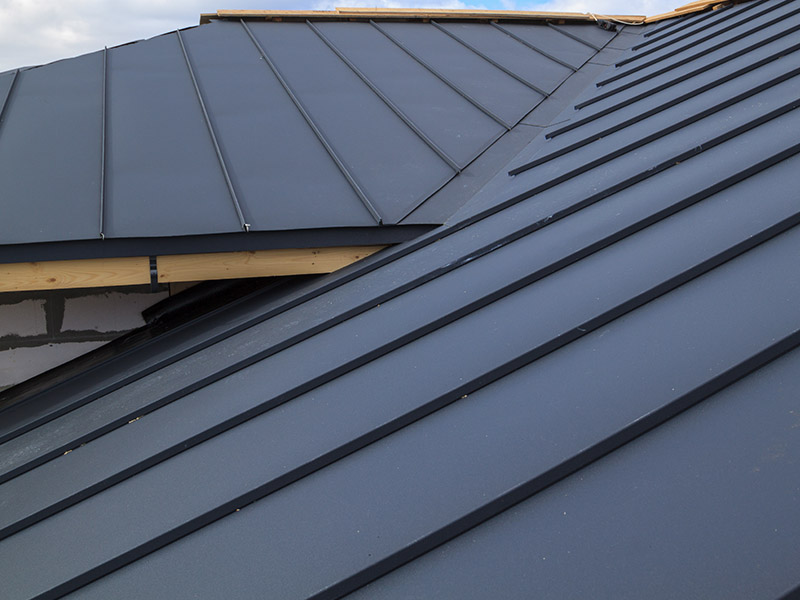
If you’re planning a roof replacement in Maryland or Pennsylvania, you’ve probably noticed an increasing number of homes featuring metal roofing. What was once considered a niche material is now one of the fastest-growing residential roofing options in the Mid-Atlantic.
At EC Roofing, we’ve seen a clear increase in homeowners asking whether metal roofing is worth the investment. As a roofing and exterior specialist serving Maryland and Pennsylvania, we’re here to guide you through the pros, cons, and long-term benefits of metal roofing so you can make a confident, informed decision.
Built for Mid-Atlantic Weather: Strength Where It Matters Most
Maryland and Pennsylvania experience a wide range of weather patterns, from heavy rains and high winds to snow accumulation and ice formation. Durability against these challenges is one of the primary reasons metal roofing is growing in demand.
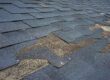
Unlike asphalt shingles, which can crack, curl, or lose granules over time, metal roofing systems are engineered for structural strength. Many are rated to withstand winds exceeding 120 mph, offering meaningful protection in storm-prone areas and coastal communities.
In colder parts of Pennsylvania, snow load is a legitimate concern. Metal roofing naturally sheds snow more efficiently than traditional shingles, helping reduce prolonged weight stress and minimizing the risk of ice dams along the eaves.
Metal roofing performs exceptionally well against:
- High winds and severe storms
- Heavy snow accumulation
- Ice dam formation
- Hail impact
- Some fire exposure
When properly installed, a metal roof provides decades of dependable protection against the Mid-Atlantic’s demanding climate conditions.
Long-Term Value: Looking Beyond the Initial Investment
The upfront cost of metal roofing is typically higher than that of asphalt shingles, but evaluating roofing decisions based solely on installation price can be misleading. A standard asphalt roof may last 15 to 25 years, depending on weather exposure and installation quality. Metal roofing, on the other hand, can last 40 to 70 years or more.
Over time, that longevity significantly reduces replacement frequency. Instead of budgeting for multiple roof replacements throughout your homeownership, you may only need one major investment. That alone can offset much of the initial cost difference.
Maintenance requirements also tend to be lower. Metal resists moisture penetration, mold growth, and many of the deterioration issues associated with traditional shingles. Fewer repairs and less frequent maintenance translate into long-term savings and fewer disruptions.
If resale value is part of your consideration, a metal roof can serve as a compelling selling feature. Buyers increasingly prioritize energy efficiency and durability, especially in competitive real estate markets across Maryland and Pennsylvania. A metal roof signals long-term reliability and reduced future expenses.
When you evaluate roofing from a lifecycle perspective, metal roofing often represents a strategic financial decision rather than a simple upgrade.
Energy Efficiency: Reducing Heat Gain and Improving Comfort
Energy efficiency plays an increasingly important role in exterior renovation decisions. During hot summers, roofing materials absorb significant amounts of solar heat. Traditional dark shingles can trap heat, increasing attic temperatures and placing additional strain on your cooling system.
Metal roofing systems are known for their reflective properties. Many are manufactured with specialized coatings designed to reflect solar radiation instead of absorbing it. This helps reduce heat transfer into your attic and living spaces.
As a result, your HVAC system may operate more efficiently during peak summer months. Over time, this can contribute to noticeable reductions in cooling costs. In combination with proper insulation and ventilation, metal roofing supports overall home energy performance.
Design Versatility: Strength Without Sacrificing Style
Modern metal roofing is no longer limited to industrial or agricultural applications. Today’s residential metal roofing systems are available in a wide variety of profiles, colors, and finishes designed specifically for homes.
Standing seam metal roofs provide clean lines and a contemporary appearance that pairs well with modern or farmhouse-style homes. Other metal systems are designed to replicate the look of slate, wood shake, or architectural shingles, allowing you to maintain traditional aesthetics while upgrading performance.
Color options are extensive, and high-performance finishes are engineered to resist fading and corrosion. Whether your home features brick, vinyl siding, fiber cement, or stone, metal roofing can be tailored to complement your exterior design.
This versatility is particularly important in established neighborhoods and historic communities throughout Maryland and Pennsylvania. You can preserve architectural character while still investing in a roofing system built for long-term performance.
The result is a roofing upgrade that enhances curb appeal while delivering structural strength and longevity.
Sustainability: A Smarter Environmental Choice
If sustainability factors into your decision-making process, metal roofing offers clear environmental advantages. Many systems are manufactured using recycled materials and are fully recyclable at the end of their lifespan.
Because metal roofs last significantly longer than asphalt shingles, fewer materials are consumed over time. Reduced replacement frequency means less construction waste and lower demand for manufacturing resources.
The reflective properties of metal roofing also contribute to improved energy efficiency, which lowers overall energy consumption. Over the decades, that reduction can positively impact your home’s carbon footprint.
Metal roofing is also well-suited for solar panel installations. Its strength and lifespan make it an ideal foundation for renewable energy systems, especially if you plan to invest in solar power in the future.
Choosing metal roofing supports long-term sustainability without compromising performance or durability.
Why Professional Installation Is Critical to Performance
Material quality is only part of the equation. Proper installation determines whether your metal roofing system performs as designed. Metal panels expand and contract with temperature changes, requiring precise fastening and spacing techniques.
Improper installation can result in leaks, panel distortion, or flashing failures around roof penetrations. That’s why experience and technical knowledge are essential when selecting a roofing contractor.
Professional installation ensures:
- Proper underlayment placement
- Correct panel alignment and fastening
- Secure flashing around chimneys and skylights
- Compliance with Maryland and Pennsylvania building codes
- Preservation of manufacturer warranty coverage
EC Roofing specializes in roofing and exterior services tailored to the specific climate demands of the Mid-Atlantic region. Our team approaches every metal roofing installation with careful planning and attention to structural integrity, ensuring long-term performance and protection.
Is Metal Roofing the Right Move for You?
Metal roofing continues to gain momentum across Maryland and Pennsylvania for good reason. It offers exceptional durability against regional weather, long-term cost efficiency, improved energy performance, modern design flexibility, and environmental benefits.
If you’re planning a roof replacement, this is an opportunity to think beyond short-term fixes. A metal roof represents a long-term investment in protection, efficiency, and property value.
When you’re ready to explore your roofing options, EC Roofing is ready to guide you through the process with clarity and professionalism. Contact us today to schedule an assessment and receive a roofing estimate.