
When you think about replacing your roof, shingles are probably the first thing that comes to mind. They’re the part you see from the street, and choosing their color and style is often one of the most visible decisions you’ll make. But shingles are only one part of the roofing system protecting your home.
Several components underneath and around them help manage moisture, support the roof covering, protect vulnerable areas, and keep the system performing properly. Understanding those hidden layers can help you evaluate a roof replacement more confidently and know what you’re actually paying for.
What’s Included in a Complete Roof Replacement?
Replacing a roof isn’t simply a matter of removing old shingles and installing new ones. The finished roof depends on several supporting components that work together beneath the surface.
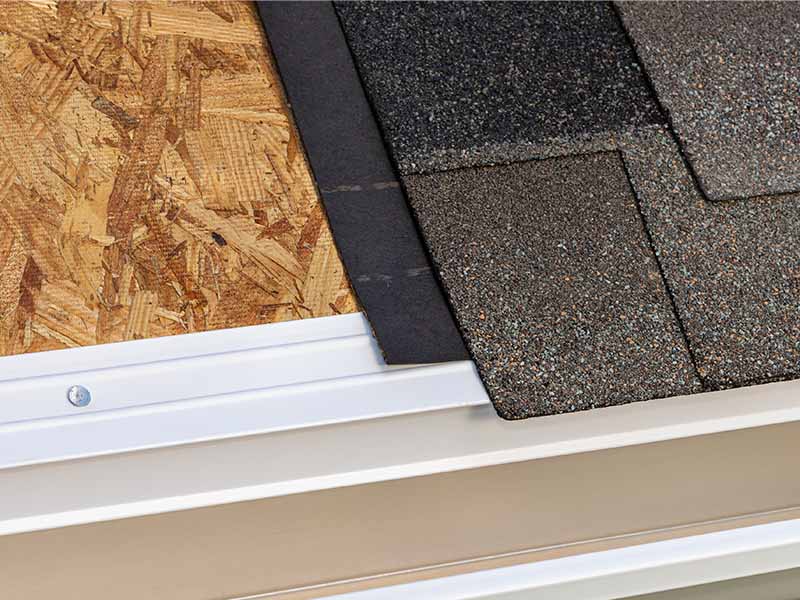
Depending on your home and roofing system, those components may include roof decking, underlayment, leak protection, flashing, drip edge, starter shingles, fasteners, and ventilation. Each performs a different job, but the goal is the same: helping keep water out while allowing the roofing system to perform as intended.
This matters when you’re comparing roof replacement proposals. Two contractors may recommend similar shingles while proposing different materials, installation details, or approaches underneath them.
If you compare roofing options based only on the visible shingle and total price, you may miss some of the most important differences between the systems being offered.
Roof Decking: The Foundation Beneath Your Shingles
Beneath your roofing materials is the roof deck, sometimes called roof sheathing. This solid surface is attached to the roof framing and provides the foundation for the roofing materials installed above it.
Depending on your home, the decking may be made from plywood, oriented strand board, or another suitable material. Because it’s covered once the roof is complete, you usually can’t see its full condition during a basic exterior inspection.
That can change during roof replacement. Once the existing roofing materials are removed, previously hidden areas of deterioration may become visible.
Long-term moisture intrusion or leaks can damage portions of the decking. If weakened areas are discovered, they need to be evaluated before the new roofing materials go on. Installing a new roof over compromised decking can leave an underlying problem unresolved.
When you’re discussing a roof replacement, ask how the roof deck will be evaluated and what the process will be if damaged areas are found.
Roof Underlayment: An Extra Layer of Moisture Protection
Underlayment is installed between the roof deck and the shingles. You won’t normally see it once the roof is complete, but it provides an additional layer of protection beneath the primary roof covering.
Shingles are designed to shed water down the roof. Even so, wind-driven rain, damaged roofing materials, or other conditions can sometimes allow moisture to get beneath them. Underlayment helps provide another barrier before that moisture reaches the decking.
Different roofing systems may use different underlayment products, including synthetic materials or traditional asphalt-based options. The appropriate choice can depend on the roofing system, manufacturer requirements, and specific conditions of your home.
When EC Roofing discusses a roof replacement with you, we want you to understand more than the shingle being installed. Knowing what will sit underneath it gives you a much clearer picture of the complete system you’re considering.
Flashing, Drip Edge, and Leak Protection
Some parts of your roof are more vulnerable to water intrusion than broad, uninterrupted roof surfaces. Valleys, roof edges, chimneys, walls, vents, and other transitions need additional attention because water changes direction or passes around openings in these areas.
Several roofing components help manage those vulnerable locations.
Self-adhering leak protection, often called ice and water protection, may be installed in specific areas where additional moisture resistance is needed. Its placement depends on the roofing system, roof design, and applicable installation requirements.
Flashing performs a different but equally important job. It helps direct water away from joints, transitions, and roof penetrations such as chimneys, walls, vents, and skylights.
That’s why a roof leak doesn’t automatically mean the shingles themselves have failed. Water can sometimes enter around flashing or another transition even when the surrounding shingles appear intact.
Drip edge also plays a role at the perimeter of the roof. This metal component helps direct water away from roof edges and into the intended drainage path, protecting nearby materials from unnecessary moisture exposure.
Starter shingles or starter strips provide another important detail at certain roof edges. They help establish the first course of shingles and support proper attachment where wind exposure can be greater.
None of these components receives as much attention as the finished shingles, but together they help manage some of the areas where a roof is most vulnerable.
Roofing Fasteners and Attic Ventilation
Even small installation details can affect how a roofing system performs.
Shingles need to be fastened according to the manufacturer’s requirements. The number of fasteners, where they’re placed, and how they’re driven all matter. Once the next course of shingles is installed, those fasteners are largely hidden from view, which is one reason workmanship is so important.
Ventilation is another part of the roofing system that deserves attention during replacement. A properly designed attic ventilation system uses intake and exhaust to help move air through the attic space.
The right configuration depends on your home and roof design. Ventilation shouldn’t be treated as a one-size-fits-all feature or ignored simply because the existing vents appear usable.
When you’re considering roof replacement, ask how the existing ventilation system will be evaluated and whether the proposed roofing work affects it. That helps ensure the new roof is being considered as a complete system rather than as a layer of shingles installed in isolation.
Hidden Roof Damage Found During Tear-Off
A professional inspection can reveal a great deal about your roof, but some conditions remain concealed until the existing roofing materials are removed.
During tear-off, your contractor may uncover damaged decking, deteriorated materials, flashing concerns, or other issues that weren’t fully visible before work began.
Finding unexpected damage doesn’t necessarily mean the inspection was not completed correctly. Roofing systems contain concealed areas that sometimes can’t be fully evaluated without removing the materials covering them. What matters is how your contractor handles those discoveries.
Before your project begins, you should understand:
- How concealed damage will be documented
- When you’ll be notified about additional work
- How damaged decking will be handled
- Whether changes require your approval
- How added work may affect the project scope
Clear expectations help prevent surprises and give you a better understanding of what will happen if the roof beneath your shingles isn’t in the condition everyone expected.
What to Look for in a Roof Replacement Proposal
A roofing proposal should tell you more than the shingle brand, color, and total project price. It should give you enough information to understand the roofing system being installed.
You don’t need to become a roofing expert before making a decision. You should, however, feel comfortable asking what’s included and why.
Useful questions include:
- What underlayment will be installed?
- How will the roof deck be evaluated?
- Where will additional leak protection be used?
- How will flashing be handled?
- Are starter and edge components included?
- How will ventilation be addressed?
These questions can make it easier to compare roof replacement proposals accurately. A lower price may not represent the same scope of work if important system components or installation details are handled differently.
You should also receive clear answers. If a contractor focuses almost entirely on shingles while avoiding questions about what goes underneath them, you may not have enough information to make a confident decision.
Choosing a Roofing Contractor for a Full Roof Replacement
A new roof should look good from the street, but appearance is only part of what you’re investing in. Much of the workmanship involved in roof replacement becomes hidden once installation is complete.
That makes transparency especially important.
Your roofing contractor should be willing to explain the condition of your existing roof, what components are included in the proposed replacement, and how unexpected conditions will be handled if they’re discovered.
EC Roofing provides roof replacement, roof repair, and exterior services for homeowners. When our team evaluates your roof, we look beyond the visible shingles so you can better understand the condition of the system as a whole.
We’ll walk you through the recommended work, answer your questions, and help you understand what’s being installed before the project begins. You should know what you’re investing in, especially when many of the most important parts of your roof will eventually be hidden from view.
Know What’s Under Your Shingles Before Replacing Your Roof
Shingles may be the most visible part of your roof, but they rely on several components underneath and around them to help protect your home. Decking provides the foundation, underlayment adds another protective layer, and flashing, leak barriers, edge materials, fasteners, and ventilation all support the system in different ways.
Before choosing a roof replacement based on appearance or price alone, make sure you understand what the complete project includes. Contact EC Roofing to schedule a professional roof evaluation and talk with our team about the roofing system your home needs.