
Your roof protects your home from water damage, energy loss, and structural problems, but even high-quality roofing materials can fail when installation mistakes occur. Unfortunately, many homeowners don’t realize their roof was installed incorrectly until leaks, ventilation problems, or visible damage begin to appear.
Issues like uneven shingles, recurring leaks, sagging rooflines, and premature roof aging often point to workmanship problems that shouldn’t be ignored. Knowing the warning signs of poor roof installation can help you catch problems early and avoid more expensive repairs later.
Common Signs of Roof Installation Problems
- Uneven or misaligned shingles
- Persistent roof leaks
- Poor roof ventilation
- Sagging rooflines and structural issues
- Premature roof aging
Uneven or Misaligned Shingles Are a Major Red Flag
One of the easiest ways to spot an improperly installed roof is by looking at the shingles.
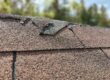
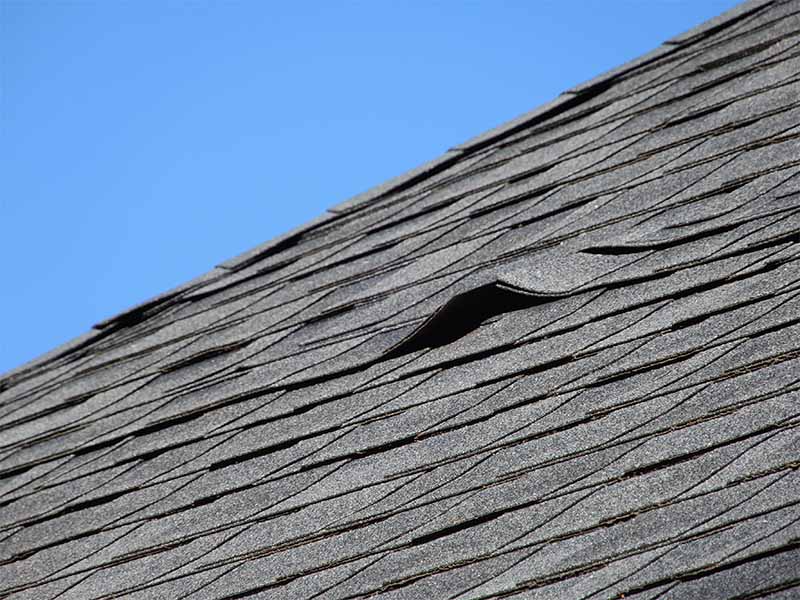
A professionally installed roof should have straight, even rows with a clean and uniform appearance. If you notice shingles that appear crooked, lifted, buckled, or uneven, there is a strong chance the roof was installed incorrectly.
Poor shingle alignment often happens when installers rush the job or fail to follow manufacturer guidelines.
Common causes include:
- Incorrect nail placement
- Uneven shingle spacing
- Improper underlayment installation
- Poor sealing techniques
In colder climates, improperly installed shingles may become more vulnerable to wind uplift and moisture intrusion, especially during storms or freezing temperatures.
If your roof looks uneven after a recent installation, don’t ignore it. A roof inspection from a qualified roofing contractor can determine whether the problem is cosmetic or a sign of a larger installation issue.
Persistent Roof Leaks Often Point to Installation Problems
A properly installed roof should protect your home from moisture for many years. If you experience leaks shortly after a roof replacement, installation mistakes may be to blame.
Leaks often develop around vulnerable areas like chimneys, skylights, roof valleys, and plumbing vents where flashing and sealing must be installed correctly. When these components are layered improperly or secured poorly, water can move beneath the roofing materials and enter your home during heavy rain.
Common indoor warning signs include:
- Brown ceiling stains
- Peeling interior paint
- Damp attic insulation
- Moldy or musty smells
- Dripping water during storms
In some cases, water may enter your home even when the shingles appear intact. This can be caused by hidden installation mistakes beneath the surface, which can allow moisture to travel underneath the roofing system before reaching your attic or ceilings.
Ignoring roof leaks can lead to mold growth, damaged insulation, weakened framing, and more expensive structural repairs over time. If you notice recurring leaks after a recent roof installation, schedule a professional roof inspection as soon as possible.
Poor Roof Ventilation Can Damage Your Entire Home
Many homeowners focus on shingles and flashing, but roof ventilation plays a critical role in the overall health of your roofing system. Improper ventilation is one of the most overlooked signs of bad roof installation, yet it can cause major issues throughout your home.
Without proper intake and exhaust ventilation, heat and humidity become trapped inside the attic. During the summer, excessive attic heat can cause shingles to age prematurely and increase your cooling costs. In colder months, trapped moisture can lead to condensation, mold growth, and wood rot.
You may notice:
- Higher energy bills
- Excess indoor humidity
- Peeling paint near ceilings
- Frost buildup in the attic during winter
- Uneven indoor temperatures
In many cases, ventilation problems occur because contractors install too few vents or fail to balance intake and exhaust airflow properly. Even high-quality roofing materials can fail prematurely when ventilation is ignored during installation.
If your home feels hotter than normal or your attic shows signs of excess moisture, your roof may not be ventilated correctly. A professional roofing contractor can evaluate airflow, inspect ventilation components, and recommend improvements that protect both your roof and your home’s energy efficiency.
Sagging Rooflines and Structural Issues Should Never Be Ignored
A sagging roofline is one of the clearest signs that something went wrong during the roofing process. While some homeowners assume slight dips are normal with age, visible sagging often points to serious structural or installation problems that require immediate attention.
If contractors install roofing materials over damaged decking or fail to reinforce weak areas, the structure may begin to sag over time. Excessive weight from layered shingles or trapped moisture can also contribute to structural strain.
You might notice dips along the ridgeline, uneven roof slopes, or sections of the roof that appear to sink inward.
Inside your home, warning signs may include:
- Cracked drywall
- Sticking doors or windows
- Ceiling sagging
- New interior wall cracks
Structural roofing issues aren’t just cosmetic concerns. A sagging roof can become dangerous if left untreated, especially during severe weather or heavy snowfall. In extreme cases, sections of the roof may collapse if the underlying structure continues to weaken.
The longer structural issues go unaddressed, the more expensive repairs become. Identifying the source of the problem early can help prevent extensive interior damage and protect your home’s long-term safety.
Premature Roof Aging May Mean the Installation Was Done Incorrectly
A newer roof shouldn’t show significant wear within the first several years following installation. If your roofing system already looks weathered or damaged, installation mistakes may be reducing its lifespan.
Premature roof aging often appears as:
- Curling shingles
- Granule loss
- Cracked roofing materials
- Faded or uneven discoloration
These problems can develop when roofing materials are mishandled during installation or exposed to poor attic conditions over time.
One of the biggest contributors to premature roof aging is excessive heat buildup inside the attic. Material quality and installation conditions also play a role. Roofing materials that are stored improperly before installation or installed during poor weather conditions may not perform as intended.
Protect Your Home With Trusted Roofing Expertise
Installation mistakes can shorten your roof’s lifespan, increase repair costs, and leave your home vulnerable to water damage and structural issues. That’s why hiring a qualified and well-respected roofing contractor is one of the most important steps in the roof replacement process.
EC Roofing provides dependable roofing and exterior services designed to keep your home protected in every season. Whether you need a detailed inspection, roof repairs, or a full replacement, our team is committed to delivering quality workmanship and reliable service.
If you suspect your roof was installed incorrectly or you’re ready to begin the roof replacement process, contact EC Roofing today to schedule a professional inspection. We’re ready with the trusted guidance you need to protect your home.