
Shingle, metal and flat (low-slope membrane) roofs each handle snow and freeze-thaw cycles in different ways, and none of them is simply “snow-proof.” Steep-slope roofs tend to raise questions about ice at the eaves and water getting under the roofing. Low-slope roofs tend to raise questions about weight and drainage. The right check-up for each system looks at the details that system depends on, and the structure underneath matters on all of them.
This article is for Maryland and south-central Pennsylvania homeowners who are comparing roof types or wondering how their current roof will behave this winter. It compares what to look at on each system, not which one is best. For general winter advice, see our post on how snow and ice affect roof health. Here we focus on how the systems differ.
Key Takeaways
- Each roof system has its own winter pressure points. Shingle roofs depend on flashing, edges and ventilation. Metal roofs depend on seams, fasteners and details. Flat roofs depend on drainage, seams and flashing.
- Avoid blanket statements about snow shedding, ice dams or load. They depend on the roof’s design, slope, insulation, ventilation and the building’s structure.
- Low-slope roofs are one area where weight and drainage deserve particular attention, according to the National Roofing Contractors Association.
- Snow load is a structural question for a qualified professional. It is not something to estimate from a general article.
- Do not climb onto a snowy or icy roof. Have a professional assess any concern.
- A pre-winter inspection is the best way to learn what your particular roof needs.
Why Does the Roof System Matter in Winter?
Roofs deal with snow, melting, refreezing and wind during a Maryland winter. How a roof responds depends on its slope, covering, details, insulation and ventilation, and on how well the structure under it was built and has been maintained. A roof type is one factor among many, so two houses with the same material can perform differently.
EC Roofing’s types of roofs page describes asphalt shingles, metal roofing and flat roofing systems such as EPDM, TPO and modified bitumen. Each is a different build with different things to inspect.
What Should You Watch on a Shingle Roof?
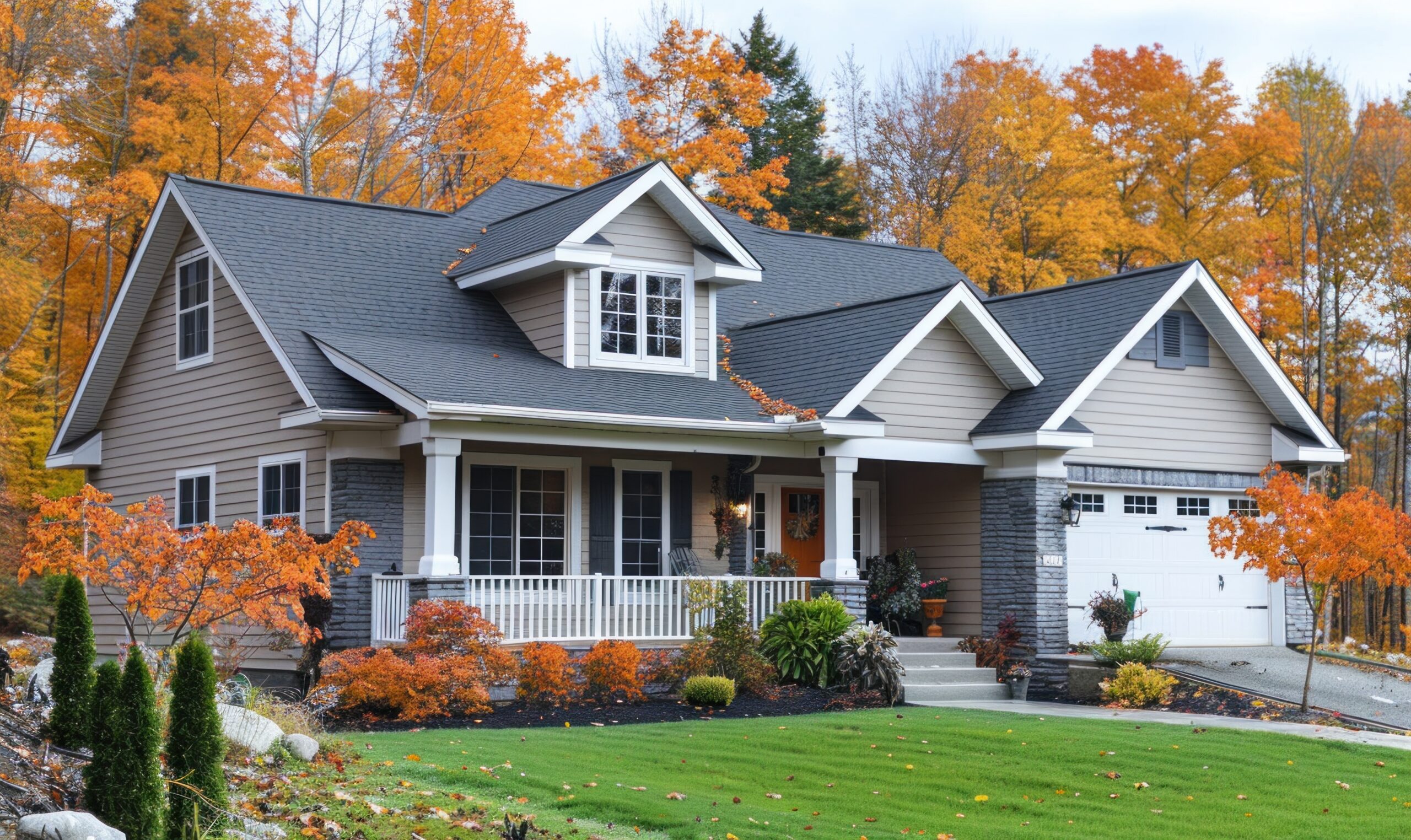
Shingle roofs are common on pitched roofs. The NRCA’s snow remediation guidance says the primary concern for steep-slope roofs is eliminating or preventing ice dams, which form when snow melts and refreezes at cooler eaves so that water cannot drain freely and may back up under the roofing. Whether that happens on your house depends on factors such as heat loss from the home, attic insulation and ventilation, and weather.
Common places to check on a shingle roof before and after winter weather include:
- Shingles that are cracked, curled, lifted or missing
- Flashing around chimneys, vents, skylights and valleys
- Eaves and gutters, where water and ice collect
- Granules collecting in gutters, which can point to wear
- Stains on ceilings or attic surfaces that suggest water is getting in
If you see signs of trouble, our roof inspections page explains what EC Roofing’s inspection looks at. Ice dams themselves are a topic for a separate article, since causes and prevention are a subject of their own.
What Should You Watch on a Metal Roof?
Metal roofing comes in a range of styles, finishes and installation methods. EC Roofing’s metal roofing page describes it as a durable option for harsh weather. How a given metal roof behaves with snow depends on the panel type, the slope, how it is attached and what is installed on it, so it is better to ask about your specific roof than to rely on a generalization.
For a metal roof, a winter check often includes:
- Seams, fasteners and sealants, which should be checked for movement or wear
- Flashing at penetrations, walls and edges
- Any accessories or snow retention devices, if the roof has them, and how they are attached
- The areas below the roof, such as walkways, entrances and gutters, where sliding snow could land
Snow that moves off a roof can create its own safety concern for people and property below. If that matters for your home, ask your roofer how the specific roof is designed to handle it. Do not assume a particular behavior.
What Should You Watch on a Flat or Low-Slope Roof?
The NRCA states that weight and drainage are the primary concerns for low-slope roofs, and that structures should be designed to carry the expected loads. It also notes that snow combined with freeze-thaw cycles or melting can affect drainage and allow water into the building on both low-slope and steep-slope roofs. That is why drains, scuppers and the roof’s slope matter so much.
EC Roofing’s flat roof installation page explains that low-slope roofs need enough pitch to avoid standing water, and its EPDM roofing page covers one common membrane. For a flat roof, a winter check often includes:
- Drains, scuppers and gutters, which should be clear so water can leave the roof
- Areas where water stays after melting
- Seams, edges and flashing around walls, vents and rooftop equipment
- Punctures or wear, especially where people have walked or equipment sits
- Any signs inside the building of moisture or sagging
If you are concerned about snow load on a flat roof or an addition, that is a question for a qualified professional, such as a structural engineer. Please do not try to estimate it yourself, and do not shovel or chip at a membrane roof. Tools can damage roofing materials, as the NRCA notes, and working on a snowy roof is hazardous.
How Do the Three Systems Compare?
This table is a general guide to what to ask and check. It does not rank the systems, because the right choice depends on your building.
| Roof system | Main winter concerns | What to check or ask |
|---|---|---|
| Asphalt shingle | Ice forming at eaves, water backing up under roofing, flashing wear | Condition of shingles and flashing, attic insulation and ventilation, gutter and eave condition |
| Metal | Seam and fastener condition, how snow moves off the roof, flashing details | Panel type, attachment method, snow retention if present, what sits below the roof edge |
| Flat or low-slope membrane (EPDM, TPO, modified bitumen) | Weight and drainage, standing water, seams and flashing | Drain condition, slope, seam and flashing condition, structural capacity questions for a professional |
Does Ventilation and Insulation Matter for Every Roof Type?
Heat that escapes from a house into the roof space can melt snow unevenly, which is one reason attic insulation and ventilation come up in winter roof conversations. How much that matters depends on the roof design and the building. If you are planning a new roof, ask your roofer how the roof system, attic ventilation and insulation will work together, so winter performance is considered as a whole and not only as a choice of material.
What Should You Ask When Choosing a Roof for Winter Performance?
If you are weighing roof types, bring winter into the conversation. Useful questions include:
- How does this system handle snow and freeze-thaw cycles on a building like mine?
- What does the manufacturer’s documentation say about cold-weather performance, installation and maintenance?
- How will drainage be handled, especially on low-slope sections?
- How do ventilation and insulation fit into the plan?
- What maintenance or inspection do you recommend before and after winter?
Write down the answers so you can compare proposals side by side. Be cautious of claims that a roof type will “never” have a problem with snow or ice. Ask for specifics in writing and for the manufacturer’s published information.
How Can You Learn About Local Winter Weather?
For current forecasts and winter weather safety in the Baltimore and Washington region, the National Weather Service’s Baltimore/Washington forecast office is an official source. Forecasts can help you decide when to have a roof checked, but they cannot tell you how your roof will perform.
Frequently Asked Questions
Which roof type is best for snow?
There is no single answer. Each system has different things to maintain, and results depend on the design, installation, slope, drainage, insulation and ventilation. A professional can compare options for your specific building.
Should I remove snow from my roof?
Do not do it yourself. Working on a snowy or icy roof is dangerous, and tools can damage roofing materials. If you are worried about a heavy buildup, contact a qualified professional.
Can a flat roof handle snow?
Flat roofs are designed for the loads expected in their location, and drainage is a key factor. Whether a particular roof is adequate is a question for a professional who can look at the structure.
Have Your Roof Checked Before Winter Weather Sets In
EC Roofing has served Maryland and south-central Pennsylvania since 1992 and works with shingle, metal and flat roofing systems. Contact EC Roofing or request an instant roof estimate, or call (410) 455-9880 to arrange an assessment. You can also read more about the types of roofs we install.