
Roof damage doesn’t always mean you need to replace your entire roof. In many cases, the affected area can be repaired or replaced without disturbing the rest of the roofing system. However, the right solution depends on several factors, including the age of your roof, the extent of the damage, and whether the existing materials can still provide reliable protection.
Knowing when a partial roof replacement makes sense can help you avoid unnecessary expenses while ensuring your home remains protected. We help homeowners evaluate their roofing systems honestly, recommending solutions that fit the condition of the roof rather than a one-size-fits-all approach.
What Is a Partial Roof Replacement?
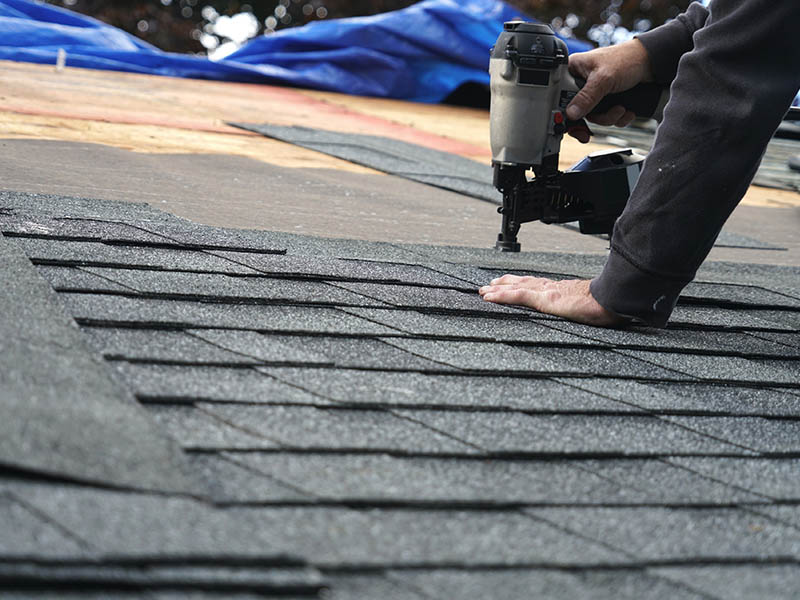
A partial roof replacement involves removing and replacing roofing materials on a specific section of the roof instead of replacing the entire system. This approach is often used when damage is limited to one area, such as a section impacted by a fallen tree limb, hail, or wind.
Unlike a simple roof repair, a partial replacement usually extends beyond replacing a few shingles. It may include new underlayment, decking repairs if necessary, flashing replacement, and new roofing materials to restore that portion of the roof.
The goal is to address the damaged area while preserving the sections that are still in good condition. When completed correctly, a partial replacement can restore your roof’s performance without the higher cost of a full replacement.
That said, not every roof is a good candidate. The condition of the surrounding materials and the remaining lifespan of the roof are just as important as the damaged section itself.
Factors That Determine Whether a Partial Replacement Is Possible
Every roof is different, which means there isn’t a universal answer to whether replacing only part of it is the right choice. A professional evaluation helps determine whether the existing roof can continue performing reliably after the damaged section is replaced.
The Age of Your Roof Matters
The overall age of your roof is one of the first considerations. If your roof is relatively new and the damage is isolated, replacing only the affected area is often a practical solution. The remaining materials are typically still in good condition, making it easier to integrate the new section.
Older roofs present a different challenge. Roofing materials naturally deteriorate over time because of weather exposure, temperature changes, and normal aging. If most of the roof is nearing the end of its expected lifespan, replacing one section may simply delay a larger project that will soon become necessary.
Material Availability Can Affect the Outcome
Matching existing roofing materials isn’t always straightforward. Manufacturers occasionally discontinue certain shingle styles or colors, and even currently available products may appear different after years of weathering.
Before recommending a partial replacement, your roofing contractor should determine whether compatible materials are available. A close match helps maintain your home’s appearance while ensuring the repaired section performs consistently with the rest of the roof.
Situations Where a Partial Roof Replacement Makes Sense
There are many situations where replacing only part of a roof is both practical and cost-effective. The key is ensuring the damage is localized and hasn’t compromised the surrounding roofing system.
For example, severe wind may remove shingles from one slope while leaving the rest of the roof intact. A fallen branch could damage one section without affecting the remaining structure. Localized leaks caused by damaged flashing or impact damage may also be resolved through a partial replacement if the rest of the roof remains sound.
You may also benefit from a partial replacement if an addition was built onto your home years after the original construction. In some cases, different roof sections age at different rates because of their orientation, exposure to sunlight, or construction timeline.
Some common situations where a partial roof replacement may be the right choice include:
- Storm damage limited to one section
- Damage from fallen tree limbs or debris
- Localized leaks
- Small areas affected by deteriorated decking
- Damage that hasn’t spread beyond the immediate area
Even in these situations, the surrounding roofing materials must still be inspected to confirm they can continue providing reliable protection.
When Replacing the Entire Roof Is the Better Investment
Although a partial replacement can save money in the right circumstances, it isn’t always the most economical choice over the long term. Sometimes replacing the entire roof provides better value, fewer future repairs, and greater peace of mind.
Widespread Wear Often Signals Bigger Problems
If your roof shows signs of aging across multiple sections, repairing only one area may leave other weak spots waiting to fail. Missing granules, widespread curling shingles, recurring leaks, or deteriorating flashing throughout the roof often indicate that the system is nearing the end of its service life.
Multiple Repairs Can Add Up
Homeowners sometimes choose smaller repairs to postpone replacing their roof. While that approach may seem more affordable initially, ongoing repair costs can accumulate over several years.
A new roof provides consistent protection across the entire home while eliminating concerns about whether another section will require repairs in the near future. It may also improve your home’s curb appeal and provide greater confidence during severe weather.
A professional inspection helps determine whether repairing one section will truly solve the problem or whether replacing the entire roofing system makes better financial sense.
Why a Professional Roof Inspection Is Essential
The visible damage on your roof is only part of the story. Water can travel beneath shingles, hidden decking damage may develop over time, and underlying issues aren’t always visible from the ground. That’s why a professional roof inspection is one of the most important steps before deciding between a repair, partial replacement, or full replacement.
An experienced roofing contractor evaluates more than just the damaged area. The inspection also includes the condition of nearby shingles, flashing, roof decking, ventilation, drainage, and other components that affect the roof’s long-term performance.
This comprehensive approach helps identify hidden problems that could influence the best course of action. Instead of focusing only on today’s damage, the inspection considers your roof’s remaining lifespan, overall condition, and the likelihood of future repairs.
Having this information allows you to make a confident decision based on the condition of your roof rather than assumptions or temporary fixes.
Find the Right Roofing Solution With EC Roofing
Choosing between a repair, partial roof replacement, or complete replacement isn’t always straightforward. The right decision depends on your roof’s age, the extent of the damage, and its overall condition. Addressing the problem with the appropriate solution can help protect your home while making the most of your investment.
Our team takes the time to thoroughly evaluate every roofing system before making a recommendation. Whether your roof needs a targeted partial replacement or a full replacement, we’ll provide honest guidance and quality workmanship tailored to your home’s needs.
If you’ve noticed roof damage or aren’t sure which option is right for your home, contact EC Roofing today. We’ll help you understand your roof’s condition and recommend the solution that provides dependable protection for years to come.